Judicial Precedent: Chhattisgarh High Court Rejects Divorce Reward for Abusive Conduct
The Chhattisgarh High Court has set aside a divorce decree, ruling that a husband cannot benefit from his own abusive conduct that led to the breakdown of the marriage. This decision reinforces the principle that legal outcomes must reflect the underlying causes of marital distress, not just the final state of separation.
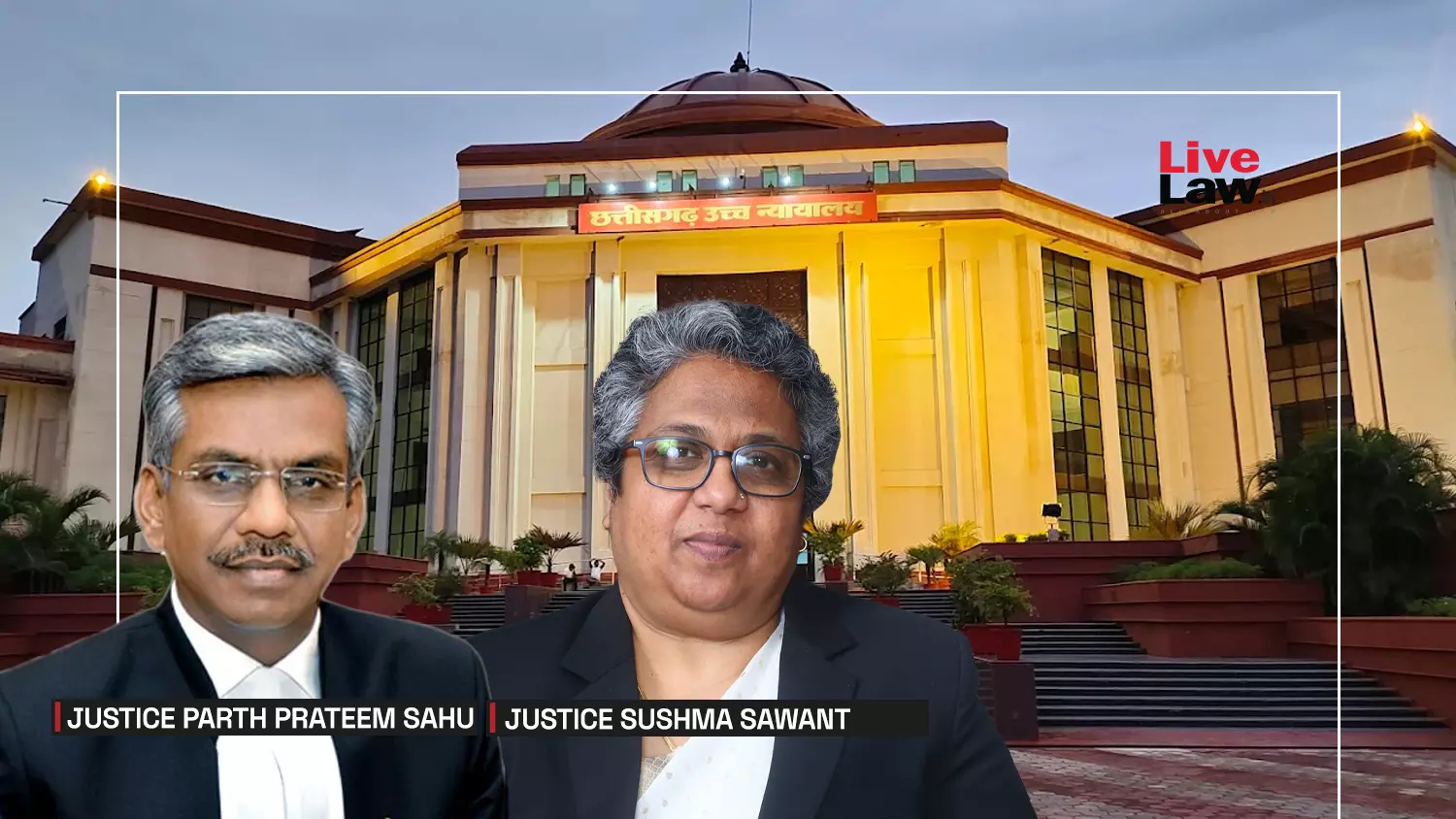
The concrete rupture in legal precedent is the Chhattisgarh High Court's decision to overturn a divorce decree in a case where the wife had left the home due to abuse. The court's ruling establishes a clear principle that a party cannot be rewarded for their own bad conduct, which is a significant shift in how family law cases are adjudicated. This decision has immediate implications for similar cases, as it provides a clear guideline for judges to consider the context of the separation rather than just the fact of it. The shockwave is felt by legal practitioners and individuals navigating the complexities of divorce, as it signals a more nuanced approach to marital disputes.
The underlying tension is the balance between the right to divorce and the need to prevent abuse of the legal system. The institutional friction is evident in the differing interpretations of marital law and the challenges of proving abuse in court. The current system often struggles to address the power imbalances and emotional dynamics that underpin many divorces, leading to outcomes that may not reflect the true nature of the relationship. This friction is compounded by the lack of standardized procedures for handling cases involving domestic abuse.
The downstream casualties include the potential for increased litigation and the need for more robust evidence collection in family law cases. The tangible outcome is a more equitable approach to divorce, where the court takes into account the full context of the marriage. The long-term impact is a strengthening of the legal framework for protecting vulnerable individuals in marital disputes, which has broader implications for gender equality and social justice.
Comments 0