Hidden Climate Threat Emanates From Electrical Grids As Insulating Gas Emissions Heat the Planet
The rapid expansion of electrical infrastructure relies heavily on sulfur hexafluoride, a synthetic compound possessing thousands of times the warming potential of carbon dioxide. Power distribution networks across developing economies unintentionally fuel atmospheric warming while racing to deploy renewable energy.
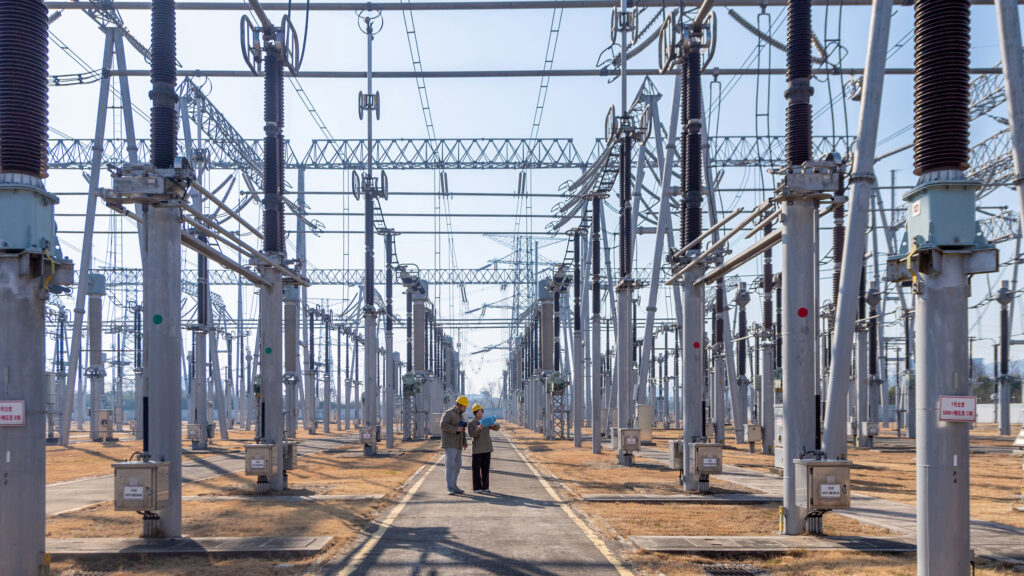
Beneath the surface of global clean energy transitions lies a profound environmental contradiction involving the very equipment designed to transmit sustainable power. High-voltage switchgear and industrial circuit breakers depend on sulfur hexafluoride to extinguish dangerous electrical arcs safely. Though inert and non-toxic, the molecule traps heat with astonishing efficiency, retaining atmospheric potency for millennia after escaping into the skies. Energy regulators face intense institutional inertia because viable industrial alternatives to the chemical remain costly and structurally unproven for extreme grid loads. State-owned utilities prioritize uninterrupted power delivery over leak containment protocols, viewing fugitive gas emissions as an invisible externality. The regulatory void allows thousands of metric tons of the compound to vent into the atmosphere annually from aging substations. The downstream outcome is a compounding atmospheric penalty that threatens to offset hard-won carbon reduction targets achieved by solar and wind integrations. International climate bodies now face immense pressure to mandate strict leakage penalties and accelerate retrofitting schedules for global energy transmission networks.
Comments 0