The Shift in Indian Education: Beyond the West
A surge in enrollment for Japanese, French, and German language classes in Lucknow signals a strategic pivot among Indian students seeking global opportunities outside the traditional US and UK markets. This trend reflects a broader diversification of educational pathways and career aspirations.
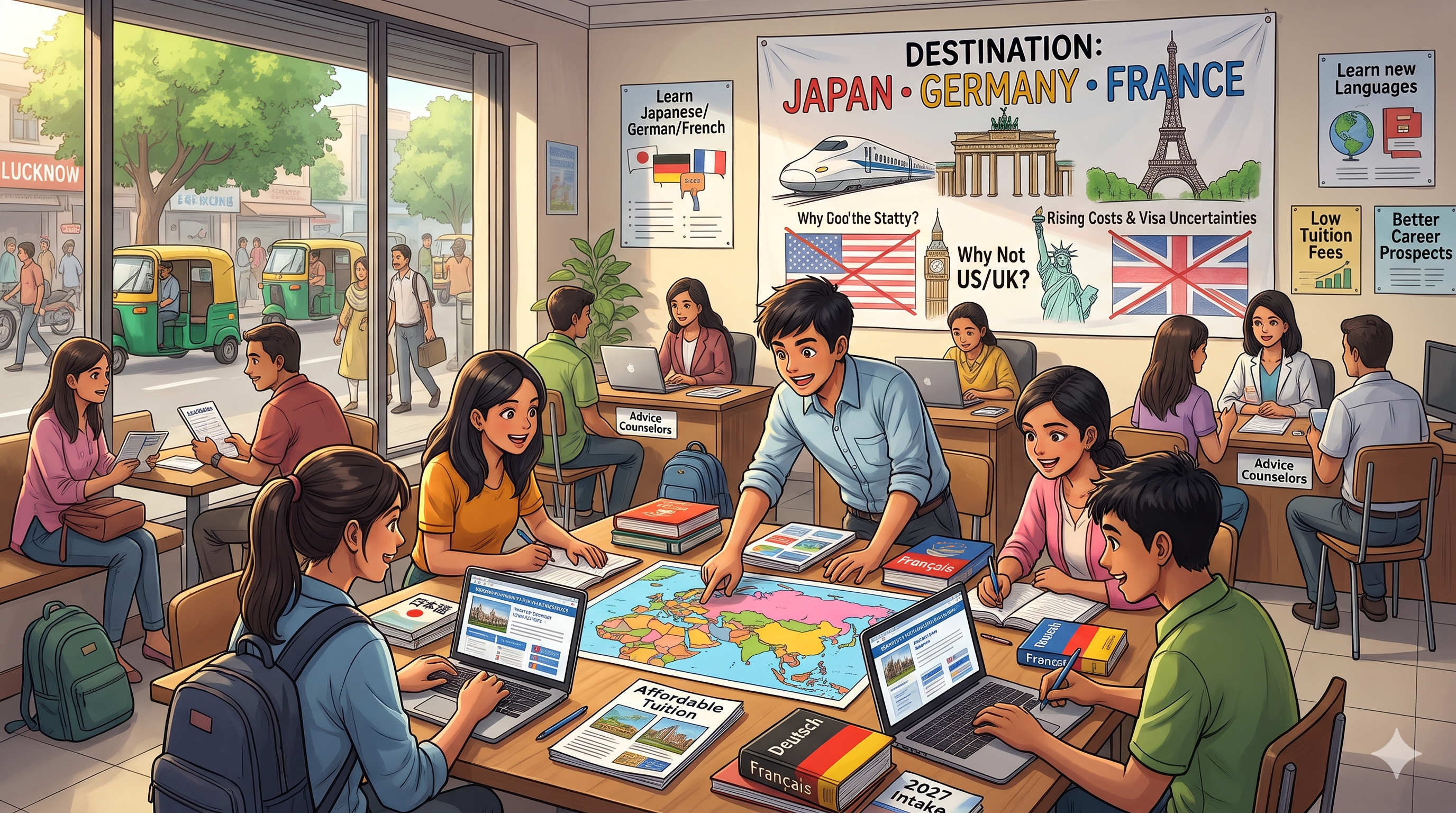
The growing interest in Japanese, French, and German language classes in Lucknow is not merely a linguistic trend but a strategic reorientation of Indian students' global ambitions. With the US and UK facing political and economic uncertainties, students are looking to other parts of the world for educational and career opportunities. This shift is driven by a desire for diversification, a recognition that the traditional Western-centric model of education is no longer the only path to success, and a growing awareness of the economic and cultural significance of Asia and Europe.
The underlying tension in this trend is the gap between the availability of quality education in these countries and the accessibility of such opportunities for Indian students. While the demand is high, the supply of structured programs, scholarships, and career pathways is limited. This creates a competitive environment where students must navigate complex visa processes, language barriers, and cultural adjustments. The institutions offering these programs are also under pressure to provide high-quality instruction and support, a challenge that requires significant investment and expertise.
The downstream consequences of this shift will be a more diverse and globally connected Indian workforce. Students who study in Japan, France, or Germany will bring back not only academic knowledge but also cultural insights and professional networks that can enhance their careers. This trend will also strengthen the economic and diplomatic ties between India and these countries, as a larger number of Indian professionals work in and interact with these regions. The long-term impact will be a more balanced and resilient global education system, less dependent on any single country or region.
Comments 0