IISER Pune Pulls Controversial Book Amid Campus Tensions
The Indian Institute of Science Education and Research in Pune removed a book by Umar Khalid from its library to preempt potential unrest. The move has sparked a debate over academic freedom versus campus security.
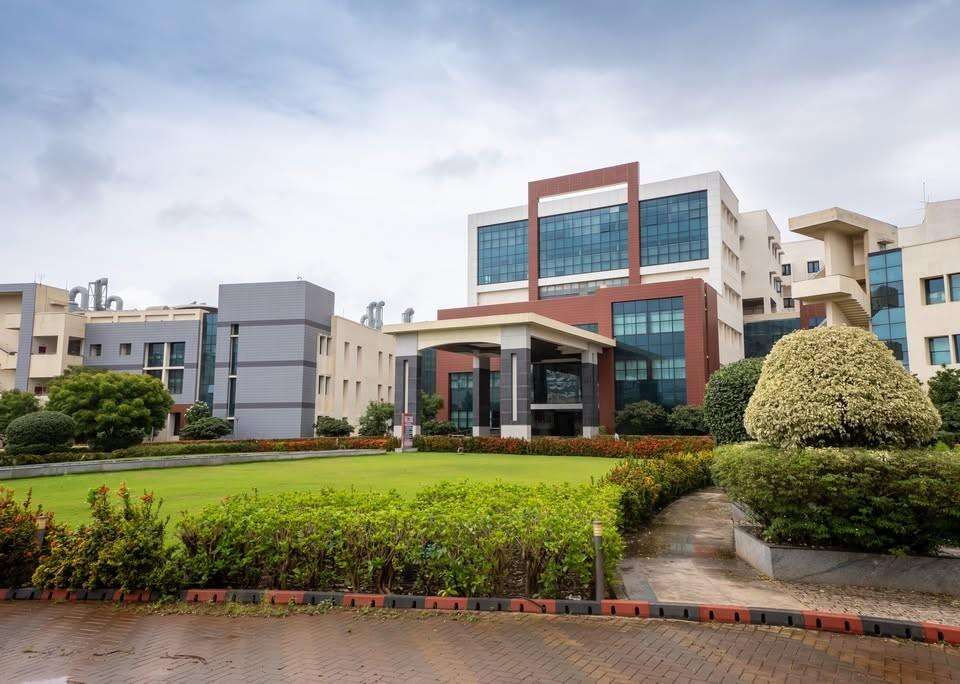
Earlier this week administrators at IISER Pune announced the removal of a book authored by activist Umar Khalid from the institute's central library, citing concerns that its presence could provoke disturbances among the student body. The decision came after a series of petitions from faculty and student groups who argued that the text, which critiques governmental policies, might become a flashpoint for protests. The institute's dean emphasized that the action was taken as a precautionary measure to safeguard the campus environment, rather than as a judgment on the book's scholarly merit.
The episode has illuminated a growing friction between the principles of academic liberty and the imperative to maintain order within educational institutions. Critics contend that the preemptive removal sets a concerning precedent, whereby content deemed controversial is censored before any actual incident occurs. Supporters of the decision argue that the volatile political climate, marked by frequent campus protests, necessitates a proactive stance to avoid escalation. Legal scholars have noted that Indian courts have historically protected the right to free expression in academic settings, yet they also recognise the institution's duty to ensure safety.
Consequences of the removal are already rippling through the academic community. Student unions across the country have organized forums to discuss the boundaries of intellectual inquiry, while some faculty members have pledged to incorporate the contested work into curricula through alternative channels. The incident may influence policy guidelines for university libraries, prompting a review of content review mechanisms and crisis management protocols. Ultimately, the balance struck between safeguarding discourse and preventing unrest will shape the future of scholarly engagement on Indian campuses.
Comments 0