Historic Arts Institution Votes Closure Amid Deep Financial and Structural Turmoil
The board of trustees for a prominent national cultural center has voted to shutter operations following persistent budgetary insolvency and legal battles over naming rights. The closure marks a stunning collapse for a premier institution long celebrated as a monument to the performing arts.
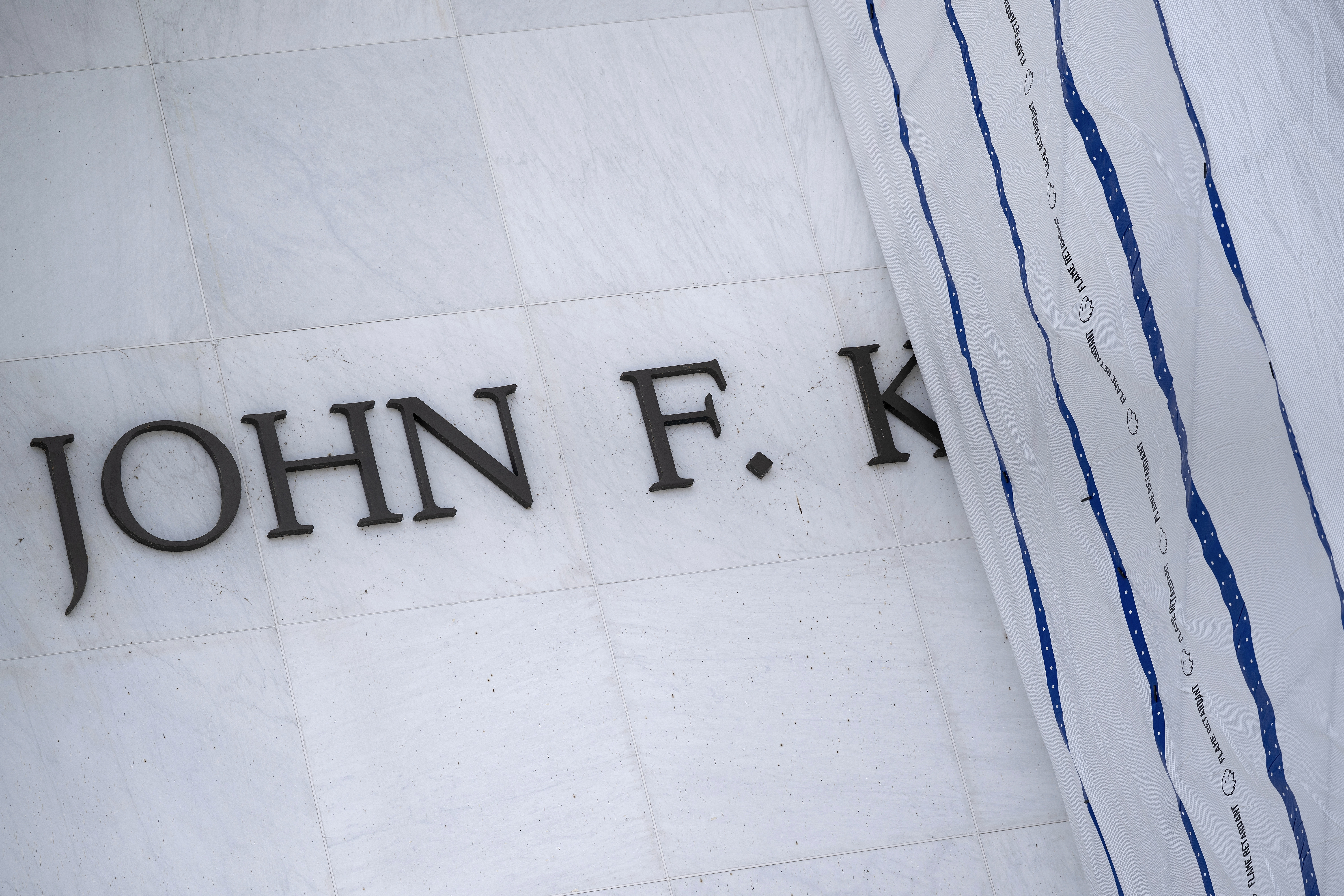
Financial insolvency met institutional stubbornness as the governing body of the renowned cultural landmark capitulated to mounting debts and administrative gridlock. Years of declining endowment yields, coupled with fierce ideological disputes involving political figures attempting to assert influence over facility branding, crippled the center's operational capacity. The decision to close doors permanently brings an abrupt end to decades of artistic programming that defined the nation's capital cultural identity. The institutional friction leading to this outcome involved protracted legal battles and public fallout over governance autonomy. Trustees found themselves trapped between private donors demanding ideological compliance and artistic directors defending institutional independence from political encroachment. This toxic dynamic accelerated the flight of corporate sponsorship and alienated traditional patrons, leaving the facility with insurmountable structural deficits that routine government subsidies could no longer salvage. The immediate casualty of this closure is the displacement of hundreds of resident artists, technical staff, and administrative personnel who now face an uncertain professional future in a contracting arts economy. Furthermore, the physical facility sits as an expensive monument to administrative failure, raising difficult questions regarding the privatization of public cultural assets. Urban planners anticipate prolonged legal battles over the future utilization of the prime real estate currently occupied by the dormant complex.
Comments 0