Howrah Dengue Surge: Over 150 Cases in a Week Expose Urban Sanitation Failures
The reporting of over 150 dengue cases in Howrah in a single week highlights a critical failure in urban sanitation and disease control. This surge poses a serious public health risk and underscores the need for immediate and sustained intervention by local authorities.
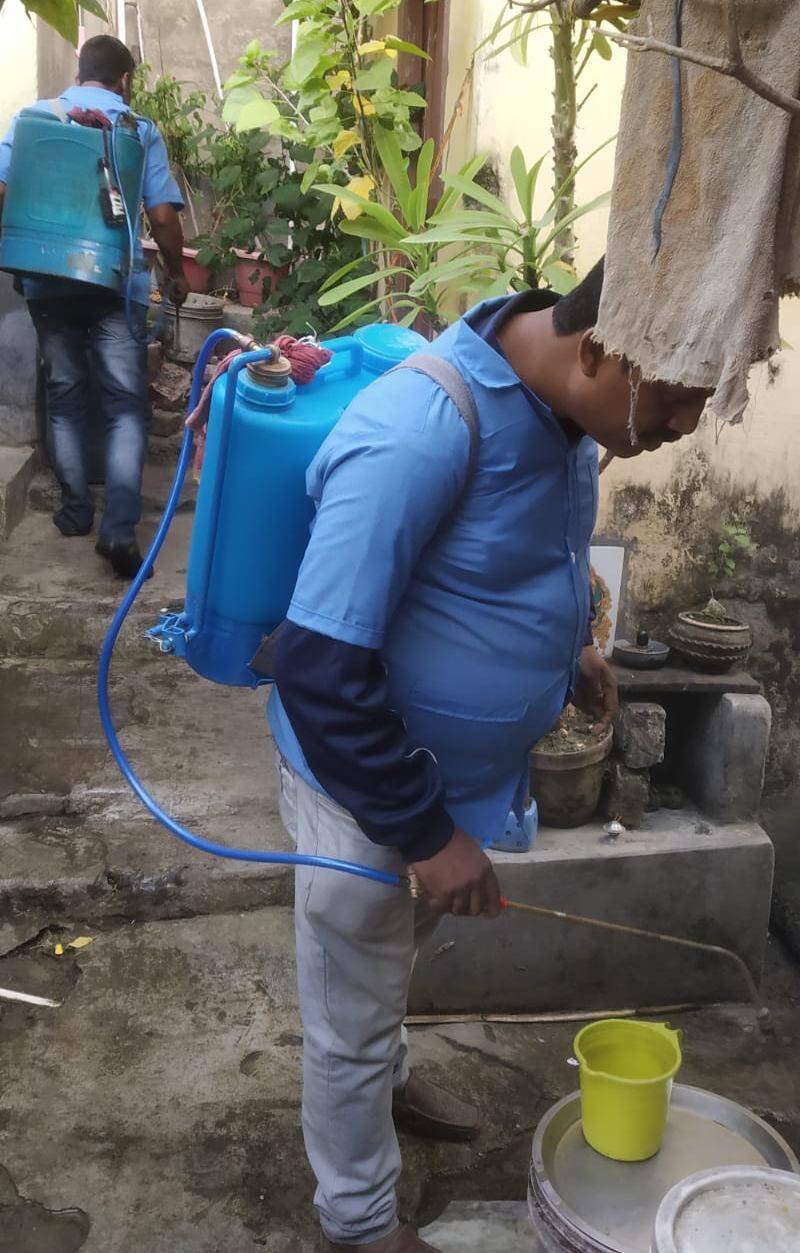
The surge in dengue cases in Howrah, with over 150 reported in a single week, is a stark reminder of the challenges facing urban health systems in India. The rapid spread of the disease indicates a failure in vector control measures and a lack of public awareness. The immediate outcome is a strain on the local healthcare system, which is already under pressure from other health challenges.
The underlying tension is a reflection of the broader issues of urban planning and sanitation in Indian cities. The presence of stagnant water and poor waste management creates ideal breeding grounds for the Aedes mosquito, which transmits dengue. This is not a new problem, but the scale of the current outbreak suggests that previous efforts to control the disease have been inadequate.
The downstream consequences of this surge are significant for the local population. The risk of a larger outbreak is high if immediate action is not taken to control the mosquito population and treat the infected. The tangible outcome is a public health crisis that could have long-term implications for the city's economy and social stability. This incident serves as a call to action for local authorities to invest in better sanitation infrastructure and public health campaigns.
Comments 0