IIT Bombay Admits Failure to Invoke Police During Student Detention Incident
IIT Bombay has acknowledged that it did not contact law enforcement on the day protesting students were detained, a lapse that has intensified scrutiny over the institution's internal security protocols. This admission underscores a significant gap in the university's crisis management framework during periods of student unrest.
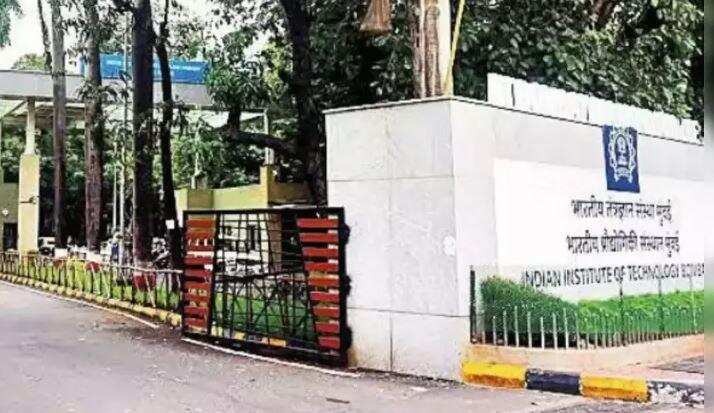
The admission by IIT Bombay that it failed to call the police during the detention of protesting students marks a critical rupture in the institution's public trust. This oversight, while seemingly procedural, has ignited a fierce debate about the boundaries of academic freedom and institutional authority. The university's silence on the day of the incident has been interpreted by critics as a deliberate attempt to manage the crisis internally, bypassing the legal safeguards that are supposed to protect both students and staff. This failure to engage with law enforcement has left a void in the accountability chain, raising questions about who bears the ultimate responsibility for the safety and rights of the students involved.
The underlying tension here is not just about a single incident but reflects a broader institutional friction between the autonomy of premier educational institutions and the state's duty to maintain order. IIT Bombay, as a flagship institution, is expected to uphold the highest standards of governance and transparency. However, the decision to handle the detention without external oversight suggests a preference for internal control, which can easily tip into authoritarianism if not checked. This friction is exacerbated by the growing polarization on campus, where student activism is increasingly met with institutional resistance, creating a volatile environment that is difficult to manage without clear legal boundaries.
The tangible outcome of this lapse is a deepening crisis of confidence among the student body and the wider academic community. The incident has emboldened critics who argue that IIT Bombay is failing in its duty to protect the rights of its students, while supporters of the administration point to the need for order and discipline. The downstream effect is a chilling effect on student expression, as the fear of detention without legal recourse looms large. This incident will likely serve as a precedent for future student protests at IIT Bombay, with the institution facing increased pressure to reform its security and disciplinary policies to restore trust and ensure a fair and transparent process.
Comments 0