India emerges as a hedge against a hostile American presidency
An analysis argues that a future hostile US administration could leave Benjamin Netanyahu with fewer western options, strengthening India's importance to Israel. The implication is that New Delhi's diplomatic value will grow, but only if it can convert strategic usefulness into a more independent regional role.
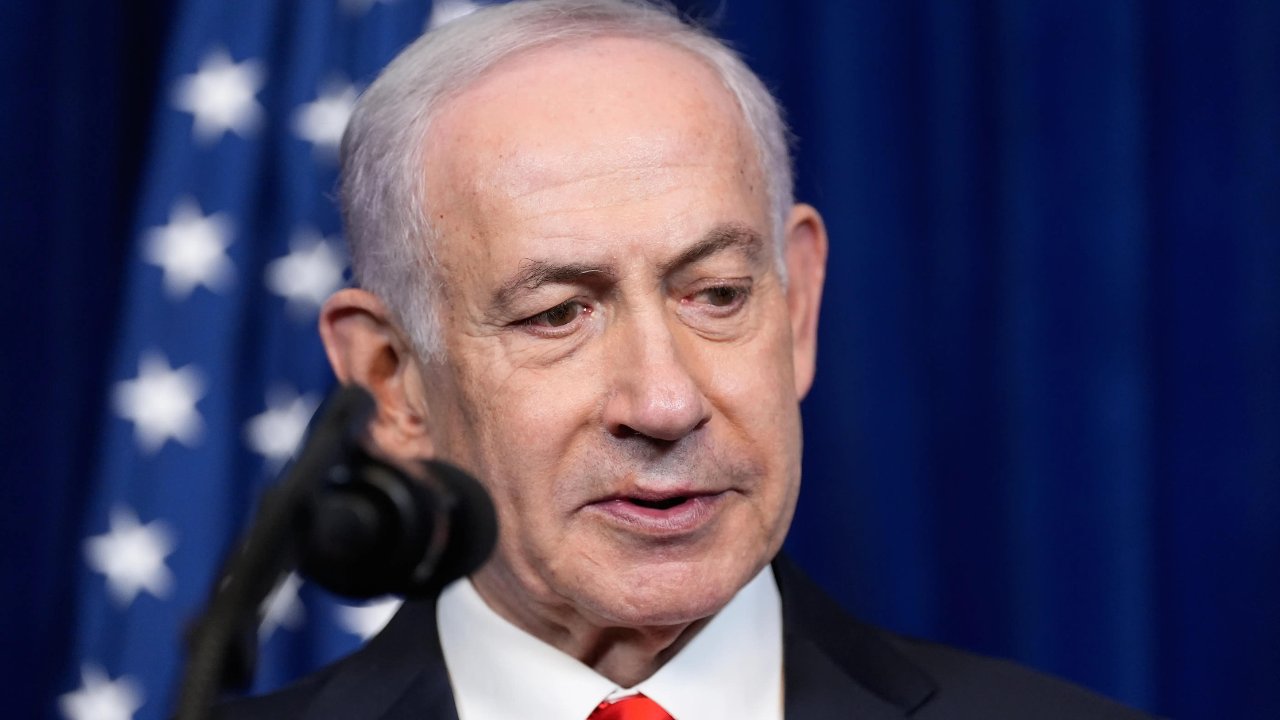
The strategic rupture would come if the next American president adopts an openly hostile approach toward Israel, narrowing the diplomatic and material support that Washington has traditionally supplied. The article's proposition is that Israel's answer would lie partly in India, which has cultivated closer political, commercial and defence relations with Jerusalem while retaining ties with the wider Gulf and the Arab world. A sharper rupture with the United States could make those relationships more valuable.
The underlying tension is one of utility and autonomy. Israel can benefit from partners beyond Washington, especially where they can provide diplomatic reach, investment or strategic access. Yet reliance on any single substitute carries risks. India cannot replace the United States as a source of advanced military capabilities, security guarantees or global economic heft. It can, however, offer diplomatic access and a bridge between Israel, the Gulf and parts of Asia. The greater question is whether New Delhi will use that leverage to shape events or simply collect the commercial and political returns of being useful to all sides.
The winners would include Indian firms and officials able to turn stronger ties with Israel into defence contracts, technology partnerships and wider influence in the Gulf. The losers would be those who assume India can replace American support without paying a diplomatic price. A hostile US presidency could also accelerate polarisation in the Middle East, exposing the limits of balancing. Over the next year, Israel's ability to diversify its backing will be tested, while India must prove that strategic warmth can mature into genuine diplomatic leverage rather than symbolic closeness.
Comments 0