India's Russian Oil Imports Hit Record High: A Strategic Bet Amidst Global Turmoil
India's crude oil imports from Russia reached a record high of 6.4 billion euros in October, with the Jamnagar refinery emerging as the largest importer. This surge underscores New Delhi's continued reliance on discounted Russian energy despite geopolitical pressures and international sanctions.
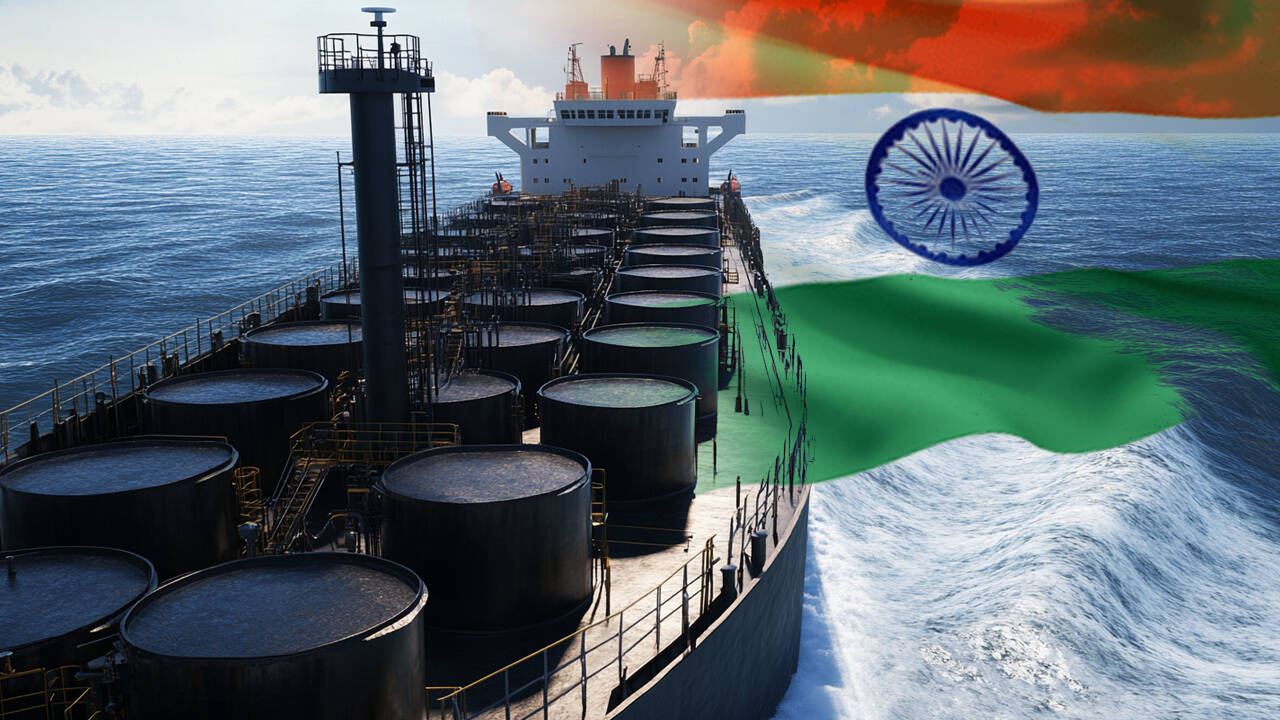
The record high in Russian oil imports represents a concrete rupture in the narrative of India's diversification of energy sources. With Jamnagar refinery leading the charge, India is effectively deepening its energy ties with Moscow, a move that defies the expectations of Western partners who have sought to isolate Russia economically. The immediate shockwave is felt in the global oil markets, where India's insatiable demand for discounted crude provides a lifeline for the Russian economy, sustaining its war effort in Ukraine. This dependency creates a complex web of economic interdependence that complicates India's diplomatic positioning in a polarized world.
The underlying tension stems from the conflict between India's economic interests and its geopolitical alignments. While New Delhi maintains a non-aligned stance, its heavy reliance on Russian energy exposes it to potential secondary sanctions and diplomatic friction with the United States and the European Union. The institutional friction is evident in the way Indian refiners have optimized their operations to process Russian crude, investing in specialized infrastructure that now locks them into this supply chain. This strategic bet reflects a calculated risk, where the immediate financial savings from discounted oil outweigh the long-term diplomatic costs.
The downstream casualties of this trend include smaller nations that may face higher energy prices as India absorbs a significant portion of the global supply. For India, the tangible outcome is a strengthened trade balance and a secure energy supply, but it also cements a dependency that could be exploited in future geopolitical negotiations. The next twelve months will likely see increased pressure from Western allies to reduce Russian oil imports, forcing India to navigate a delicate balance between economic pragmatism and diplomatic loyalty.
Comments 0