Asian Oil Buyers Pivot: The Geopolitical Reconfiguration of Energy Trade Routes
Asian energy buyers are increasingly sourcing oil from Africa and Brazil as tanker rates from the Persian Gulf remain at historic highs. This shift reflects a strategic recalibration of energy supply chains in response to geopolitical tensions and logistical bottlenecks.
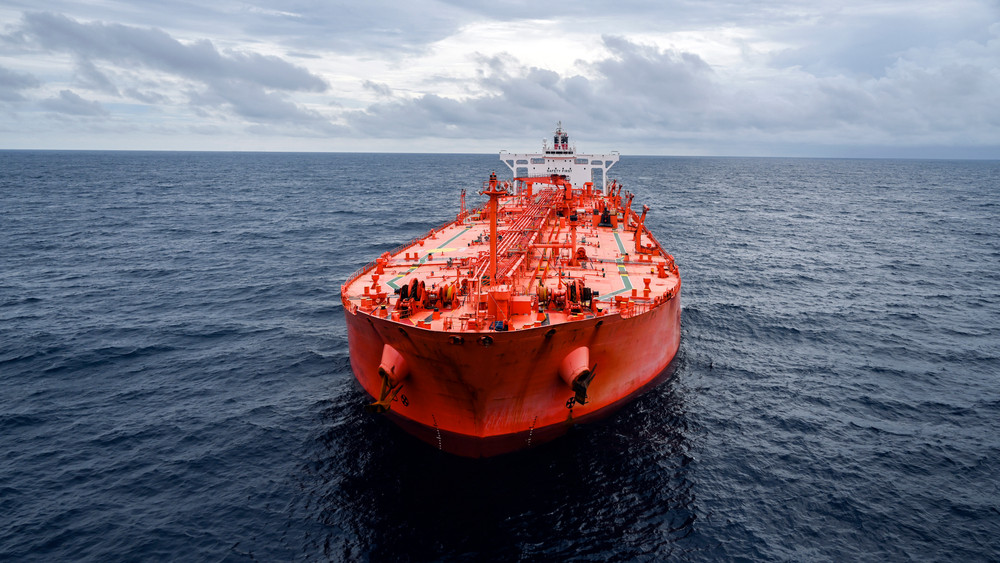
The concrete rupture is the significant shift in Asian oil buyers' sourcing strategies, with a growing preference for African and Brazilian grades over traditional Persian Gulf supplies. This shift is driven by the sustained high levels of tanker freight rates from the Persian Gulf, which have made Gulf oil less competitive in terms of landed cost. The move reflects a pragmatic response to logistical and geopolitical challenges, as buyers seek to diversify their supply sources and reduce their exposure to potential disruptions in the Gulf region. The shift has implications for global energy trade patterns, as it alters the flow of oil and the demand for shipping capacity in different regions.
The underlying tension in the global energy market is characterized by geopolitical instability and logistical bottlenecks. The Persian Gulf, a major source of global oil supplies, is a region of strategic importance and potential conflict. The high tanker rates reflect the risks and costs associated with shipping oil from the Gulf, including the threat of piracy, political instability, and the need for longer shipping routes. Asian buyers, who are the largest consumers of oil, are increasingly aware of these risks and are seeking to mitigate them by diversifying their supply sources. The shift to African and Brazilian oil is a strategic move to reduce dependence on the Gulf and to take advantage of lower prices and shorter shipping routes.
The downstream consequences of this shift are likely to be significant. In the short term, it may lead to increased demand for African and Brazilian oil, potentially boosting the economies of these regions. The shift may also have implications for the global shipping industry, as it alters the demand for tanker capacity in different regions. In the long term, the success or failure of this shift will depend on the ability of African and Brazilian producers to increase their output and meet the growing demand. If successful, it could lead to a more diversified and resilient global energy market, one that is less vulnerable to geopolitical disruptions. However, if the shift is not sustained, it could lead to a return to the status quo, with Asian buyers continuing to rely on Persian Gulf oil.
Comments 0