Indigenous Bullet Train B28 Undergoes Critical Structural Squeeze Test
India's domestically developed high-speed rail car, the B28, has entered a rigorous phase of structural integrity testing. This milestone validates the technical viability of the indigenous design, moving the project from theoretical planning to tangible engineering reality.
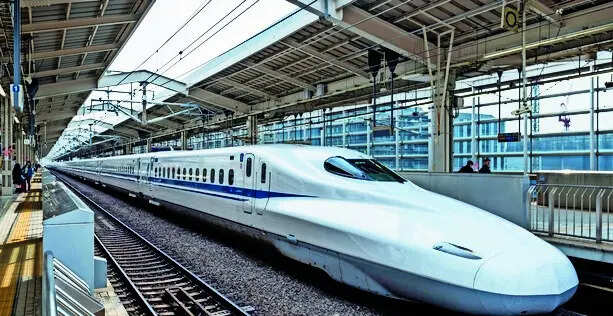
The indigenous bullet train project has achieved a significant engineering milestone as the B28 car underwent a squeeze test. This procedure is designed to verify the structural integrity of the vehicle under extreme stress, ensuring it can withstand the forces encountered during high-speed travel. The successful completion of this test is a step in demonstrating that Indian engineers and manufacturers can produce world-class rail technology without reliance on foreign imports.
The underlying tension in this project stems from the long-standing debate over indigenous capability versus foreign dependency in India's infrastructure sector. The B28 project represents a strategic effort to build a domestic supply chain for high-speed rail, reducing vulnerability to external shocks and creating high-skilled jobs. The success of this test alleviates concerns about technical bottlenecks and provides confidence to investors and policymakers that the project is on track.
The downstream impact of this success is the potential acceleration of the bullet train network's rollout, which promises to transform regional connectivity and economic integration. It also positions India as a future exporter of high-speed rail technology, challenging established players in the global market. This achievement will likely spur further investment in domestic manufacturing and R&D, creating a ripple effect across the industrial sector.
Comments 0