Industrial Leadership Charts a Course for National Economic Ambition
Tata Sons Chairman N. Chandrasekaran outlined three critical structural priorities necessary for achieving long-term economic prosperity during a major industrial symposium. His remarks underscore corporate India's confidence amid global turbulence while emphasizing the necessity of domestic manufacturing depth and institutional capacity building.
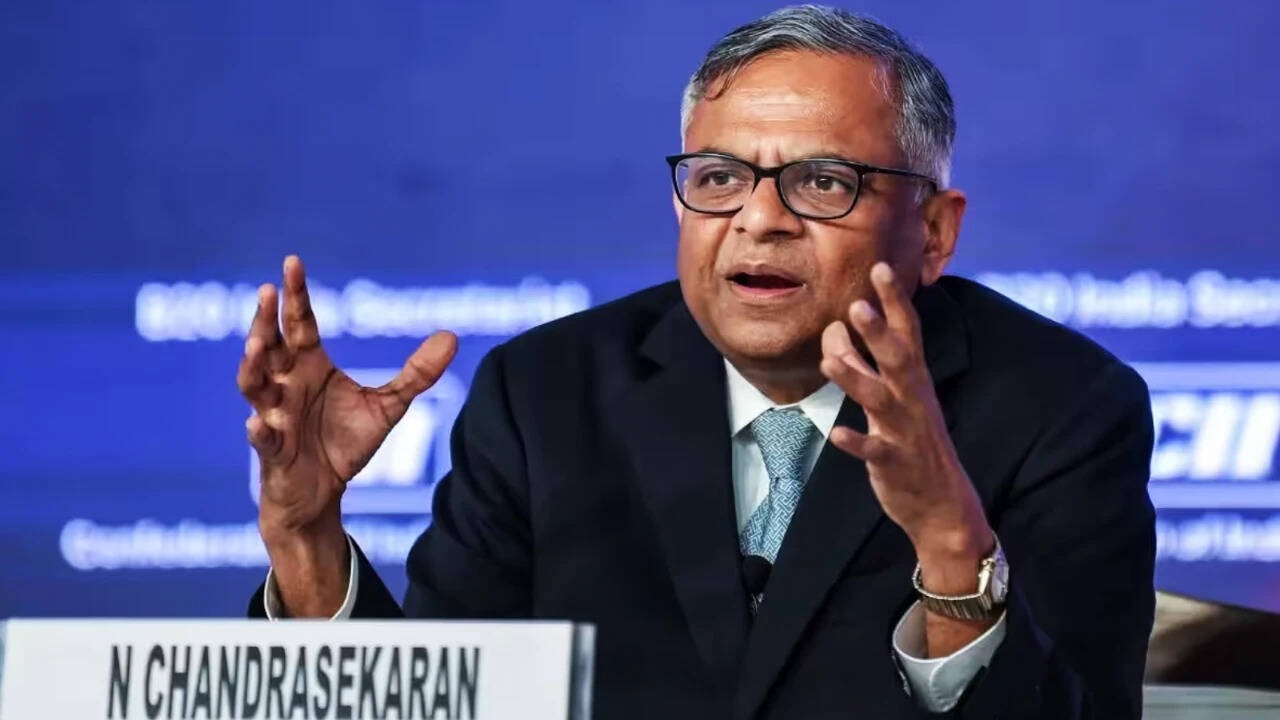
Speaking at a prominent manufacturing and quality symposium, the head of India's largest business conglomerate presented an optimistic yet pragmatic assessment of the nation's macroeconomic trajectory. Chandrasekaran emphasized that sustained national growth requires a deliberate pivot toward advanced manufacturing, deep technology integration, and rigorous quality standards across supply chains. This corporate vision aligns closely with government aspirations for self-reliance, positioning private enterprise as the primary engine of structural transformation. The broader economic presents a complex paradox of resilient domestic consumption juxtaposed against sluggish international trade and geopolitical fragmentation. Traditional industrial powerhouses are currently restructuring their supply chains to insulate themselves from external shocks, creating a historic window of opportunity for Indian manufacturers. However, converting this potential into permanent market share demands overcoming long-standing deficits in vocational education, logistics efficiency, and intellectual property generation. The downstream impact of these strategic priorities will likely be felt across domestic component suppliers and small-to-medium enterprises forced to upgrade their operational standards to meet multinational demands. While major conglomerates stand to capture the lion's share of capital expenditure inflows, regional tier-two manufacturers risk marginalization if they fail to modernize their technological base. The ultimate outcome hinges on the execution speed of collaborative initiatives between industrial associations and state policy planners.
Comments 0