Institutional Defenses and Bench Bar Boundaries in the Age of Digital Media
The Kerala High Court cautions media organizations against sensationalizing unverified oral remarks made by judges during courtroom exchanges. This administrative directive aims to protect judicial reputation from premature public misinterpretation.
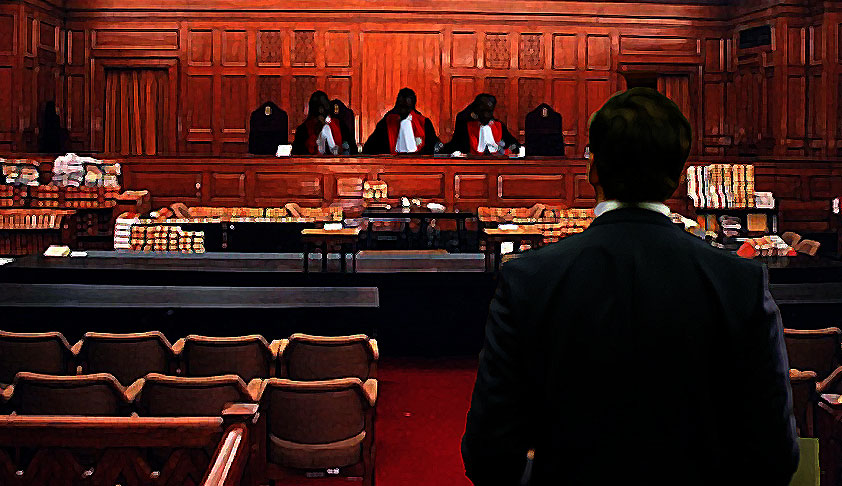
The intersection of traditional courtroom proceedings and instantaneous social media reporting has generated acute anxiety within the Indian judiciary. The Kerala High Court has formally cautioned media outlets against broadcasting or publishing oral observations made by judges during hearings before judicial reasoning is codified in formal written orders. Magistrates frequently employ conversational testing of legal arguments during hearings, a pedagogical method that digital platforms often extract out of context to manufacture sensationalized controversies.
This friction exposes the vulnerability of institutional deliberation in an era dominated by algorithmic engagement metrics and 24-hour news cycles. Judges operate under the assumption that oral sparring is an exploratory mechanism rather than a definitive final adjudication, yet public audiences struggle to differentiate between preliminary musings and binding legal conclusions. The resulting public confusion threatens to erode institutional trust in the neutrality and competence of the judiciary.
The practical outcome of this judicial caution is a noticeable chilling effect on open courtroom dialogue, with judges potentially opting for more guarded silence during hearings to prevent media misrepresentation. Legal reporters face stricter internal editorial guidelines, shifting their focus strictly to final judgments rather than dynamic procedural debates. This shift prioritizes institutional protection over transparent judicial theater, altering how the public consumes legal news.
Comments 0