Judicial Pragmatism Amid Toxic Smog as Delhi High Court Permits Virtual Testimony
Confronted with severe air quality hazards, the Delhi High Court permits elderly witnesses residing abroad to offer testimony through virtual channels. This administrative adjustment prevents legal stagnation while acknowledging the acute health threats posed by urban pollution.
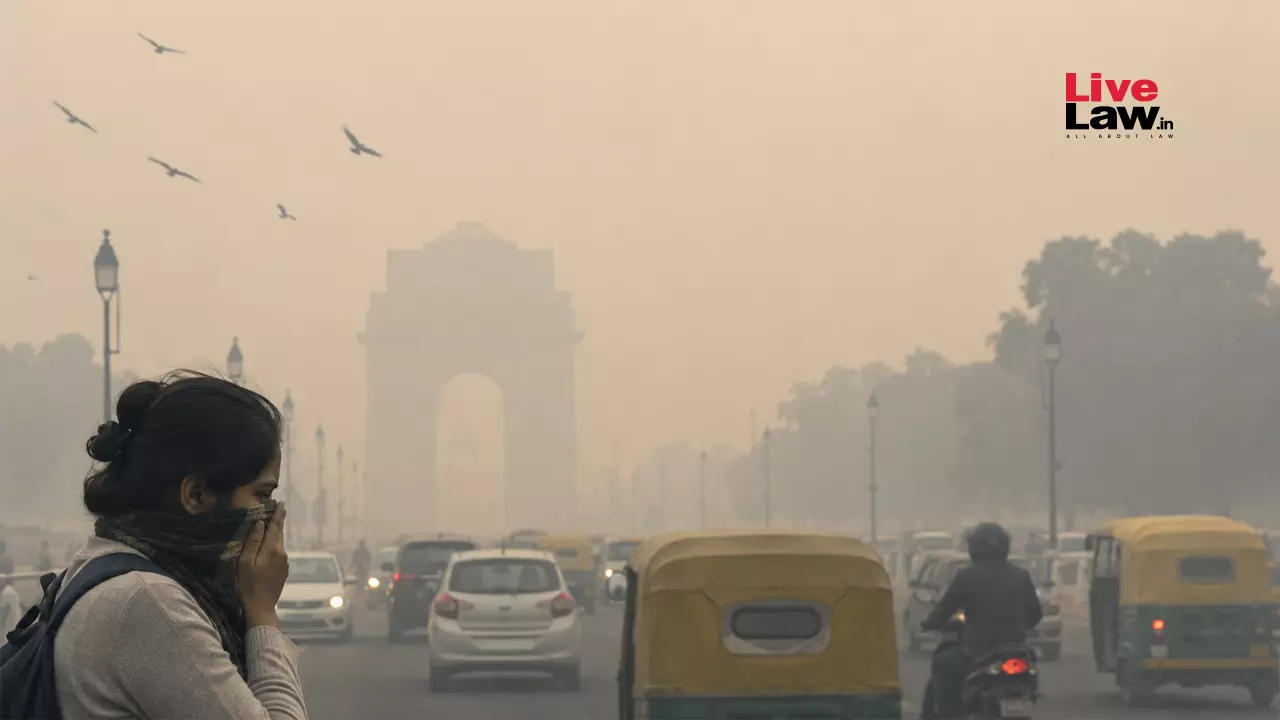
The legal infrastructure of the national capital region confronts an unprecedented environmental impediment as toxic particulate pollution reaches hazardous thresholds. In response to these dangerous atmospheric conditions, the Delhi High Court has established a pragmatic precedent by allowing elderly witnesses located abroad to record their evidence entirely online. This intervention ensures that ongoing litigation involving vulnerable individuals does not stall indefinitely due to travel restrictions driven by environmental health risks.
Institutional friction within the judicial system often pits rigid procedural traditions against the realities of public health crises and modern technological capabilities. Courts have traditionally insisted on physical presence in the witness box to evaluate demeanor and ensure the integrity of testimony. However, the systemic health emergency presented by recurrent seasonal smog in Delhi has forced a reevaluation of these orthodoxies, compelling judicial authorities to balance evidentiary standards against basic human safety.
The tangible outcome of this ruling is the uninterrupted progression of complex civil and criminal trials involving international litigants who otherwise would have sought indefinite adjournments. Beyond the immediate courtroom expediency, this administrative adaptation signals a permanent modernization of judicial proceedings, reducing carbon footprints and logistical overhead for international participants. Litigants and tribunals alike must now adapt to a hybrid evidentiary model as environmental degradation reshapes institutional operations.
Comments 0