Institutional Fracture: Election Commissioners Challenge Senior Officer Conduct
An RTI disclosure reveals that two Election Commissioners formally objected to the conduct of a senior panel officer, yet the Cabinet Secretariat took no corrective action. This inaction exposes a dangerous gap between internal grievance mechanisms and executive accountability within India's electoral architecture.
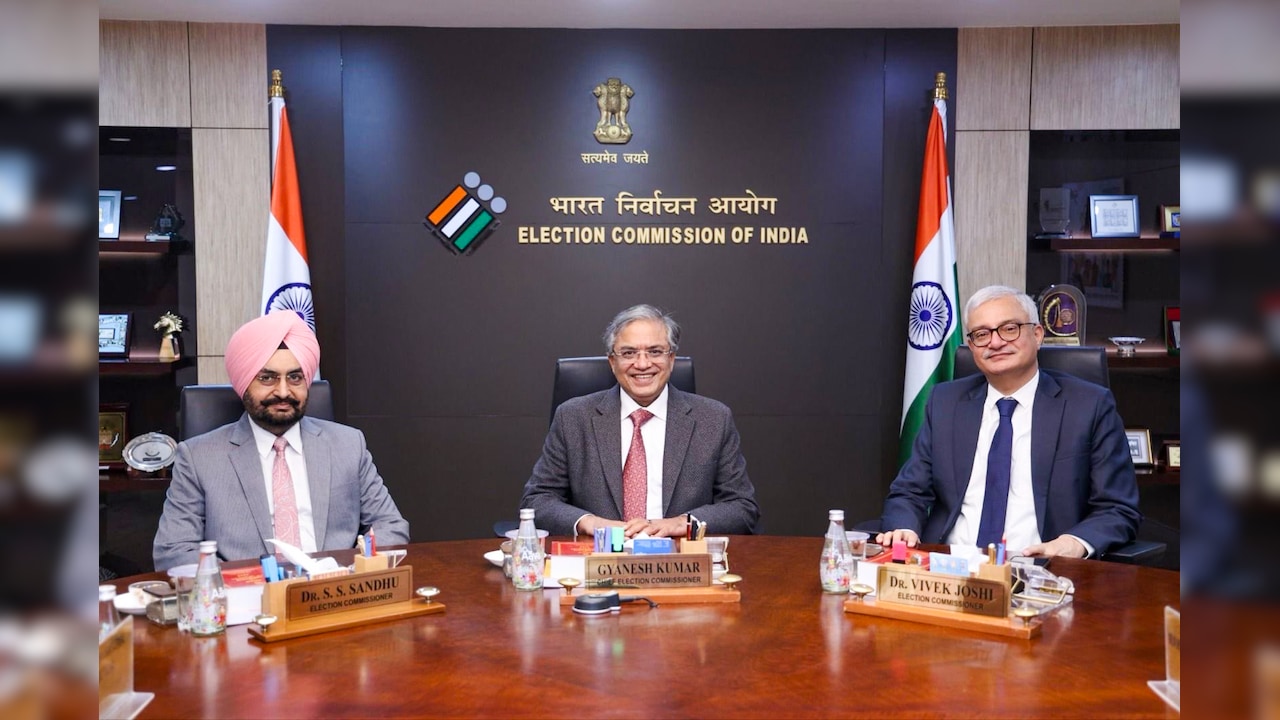
The rupture in the institutional hierarchy of the Election Commission of India has been laid bare by a Right to Information response. Commissioners Sukhbir Singh Sandhu and Vivek Joshi wrote directly to Cabinet Secretary TV Somanathan, objecting to the professional conduct of Deputy Election Commissioner Maneesh Garg. The correspondence indicates a severe breakdown in internal cohesion, where the highest echelons of the independent body felt compelled to bypass standard administrative channels to address the behavior of a senior official. This is not merely a personnel dispute; it is a signal that the internal governance of the body responsible for the nation's democratic process is under strain.
The underlying tension stems from the complex power dynamics between the independent commission and the executive branch that administers its staff. When the Cabinet Secretariat, the arm of the government, received these complaints and failed to act, it created a vacuum of accountability. The friction suggests that the institutional safeguards meant to protect the integrity of the electoral process are insufficient to handle high-level behavioral issues. The silence of the executive in the face of such specific, documented objections from the Commission's own leadership raises questions about the independence of the body and the willingness of the state to enforce its own internal codes of conduct.
The tangible outcome of this inaction is a erosion of public trust in the neutrality of the electoral machinery. If the leaders of the Commission cannot secure the removal or reprimand of a senior officer whose conduct they deem objectionable, the credibility of the entire institution is compromised. The downstream casualty is the voter, who must now question whether the body counting their votes is internally cohesive or fractured by unresolved internal conflicts. This incident sets a precedent that internal grievances may be ignored by the executive, potentially emboldening future misconduct and weakening the structural integrity of India's democratic foundations.
Comments 0