Insulin Gap Puts Bengal's Diabetics at Significant Health Risk
A shortage of insulin in West Bengal is putting diabetics at risk of serious health complications. The gap in supply is forcing patients to seek alternative sources or ration their medication, leading to dangerous fluctuations in blood sugar levels.
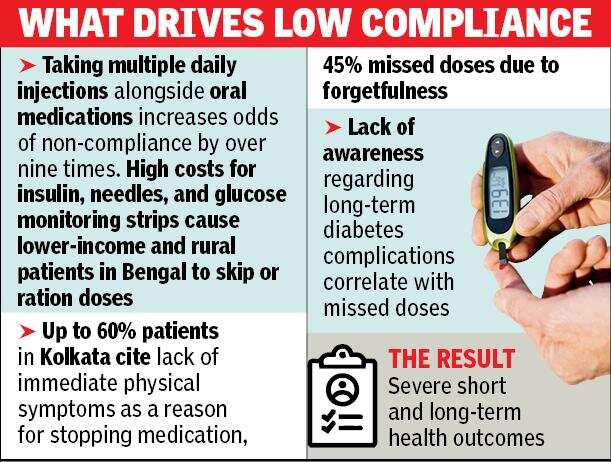
West Bengal is facing a critical shortage of insulin, a life-saving medication for diabetics. The gap in supply is causing significant distress among patients, who are struggling to access the medication they need to manage their condition. The shortage is forcing many to ration their insulin or seek out alternative sources, both of which carry serious health risks. The situation highlights the fragility of the healthcare supply chain and the impact of disruptions on vulnerable populations.
The underlying tension in this crisis is the reliance on a limited number of suppliers and the lack of a robust backup system for essential medications. The shortage may be due to a combination of factors, including production issues, distribution bottlenecks, and increased demand. The lack of a diversified supply chain leaves the state vulnerable to disruptions, which can have severe consequences for patients with chronic conditions like diabetes.
The downstream impact of the insulin shortage is felt in the form of increased hospitalizations and emergency room visits due to diabetic ketoacidosis and other complications. Patients are facing not only the physical toll of unmanaged diabetes but also the financial burden of seeking alternative treatments. The crisis also highlights the need for a more resilient healthcare system that can ensure the steady supply of essential medications, regardless of external disruptions.
Comments 0