Iran Reports More Tanker Fires in Strait of Hormuz
The Islamic Revolutionary Guard Corps has reported multiple tanker fires in the Strait of Hormuz, signaling a deliberate escalation in maritime disruption. This incident threatens to destabilize global energy markets and intensify geopolitical tensions in the Middle East.
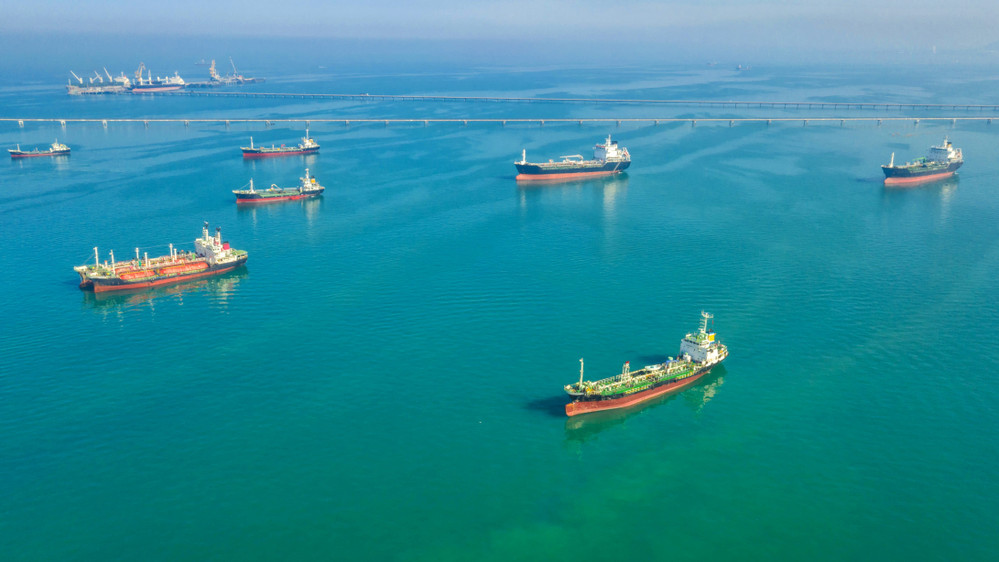
The Strait of Hormuz, a critical chokepoint for global oil supply, has witnessed a sharp increase in maritime incidents as Iran’s Islamic Revolutionary Guard Corps reported fires on two oil tankers and a tugboat. These events are not isolated accidents but appear to be part of a coordinated strategy to disrupt commercial shipping routes. The immediate impact is a spike in insurance premiums and a heightened state of alert among international naval forces, which are now navigating a zone of unpredictable danger.
The underlying tension stems from the ongoing geopolitical standoff between Iran and Western powers, exacerbated by regional conflicts and sanctions. By targeting commercial vessels, Iran seeks to leverage its geographic advantage to exert pressure on the global economy. This tactic reflects a shift from conventional military confrontation to asymmetric economic warfare, where the cost of disruption is borne by global markets rather than direct military engagement.
The downstream consequences of these incidents are already visible in the form of rising oil prices and increased volatility in energy markets. Shipping companies are rerouting vessels to avoid the strait, leading to longer transit times and higher operational costs. For countries dependent on Middle Eastern oil, this disruption poses a significant economic risk, potentially triggering inflationary pressures and forcing governments to reassess their energy security strategies.
Comments 0