Rahul Gandhi's Remarks On Sikhs Protected U/Article 19; Elected Leader Can Raise Minority Rights Concerns, Says Allahabad High Court
The Allahabad High Court has ruled that elected representatives retain the constitutional right to voice concerns regarding minority rights under Article 19, shielding political discourse from criminal overreach. This judicial intervention validates the political agency of opposition leaders in matters of communal harmony and legal standing.
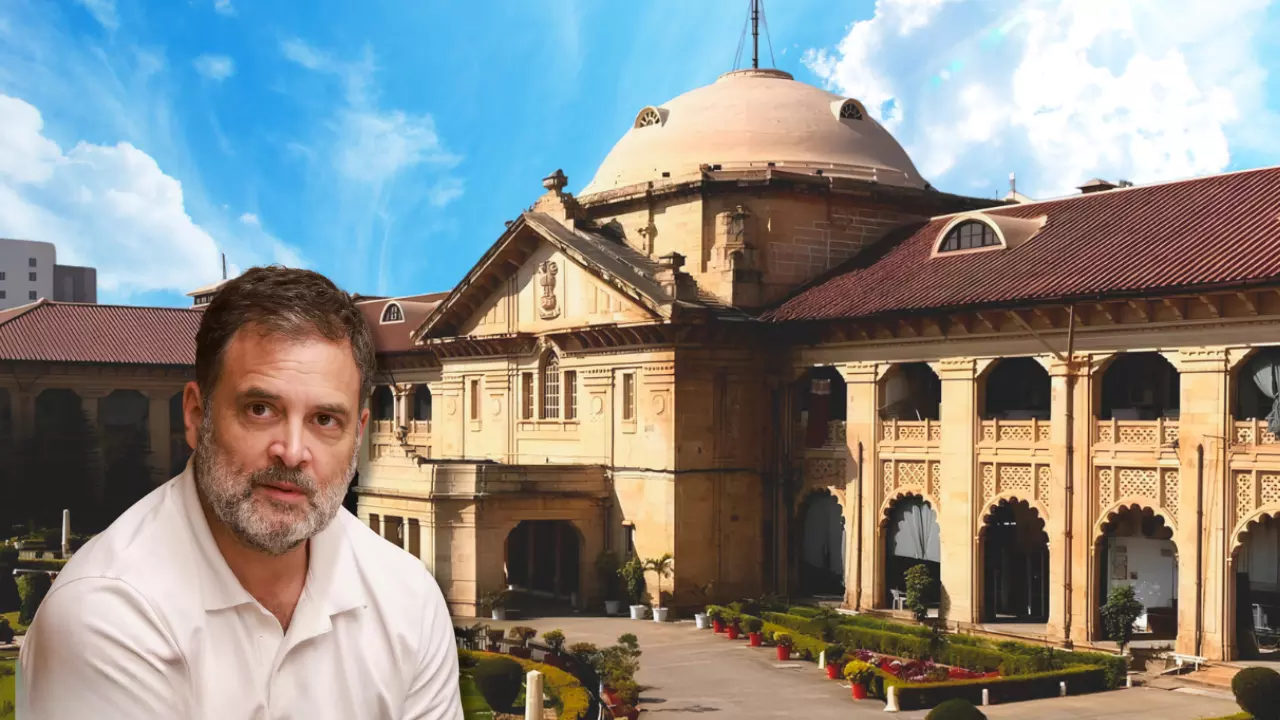
The Allahabad High Court has issued a definitive ruling that affirms the constitutional protections afforded to elected leaders when they address issues of minority rights. The court clarified that remarks made by Rahul Gandhi concerning the protection of Sikhs under Article 19 of the Constitution are shielded by the fundamental right to free speech. This decision stands as a significant check on the tendency to criminalize political dissent, establishing a clear boundary between legitimate legislative discourse and actionable offense.
The underlying tension in this matter reflects the broader friction between executive power and judicial independence in India. By upholding the right of an elected leader to raise concerns about minority protections, the court has reinforced the role of the legislature as a forum for societal debate rather than a space for political persecution. This ruling serves as a reminder that the Constitution protects not only the rights of the governed but also the rights of those who govern, ensuring that political leaders can perform their duties without fear of retribution.
The downstream consequences of this judgment extend beyond the immediate legal case to the broader political . It provides a precedent that could influence future cases involving political speech and communal harmony. For opposition parties, this ruling offers a legal safeguard that may embolden them to address sensitive social issues more openly. Conversely, it places a burden on the state to demonstrate that any restriction on speech is necessary and proportionate, thereby raising the bar for future legal challenges against political figures.
Comments 0