Iran Signals Return to Global Oil Flow as U.S. Blockade Tightens
Iran announced preparations to resume crude exports even as Washington readied a stricter naval interdiction of its ports. The move threatens to reshape oil supply calculations and pressure the already volatile market.
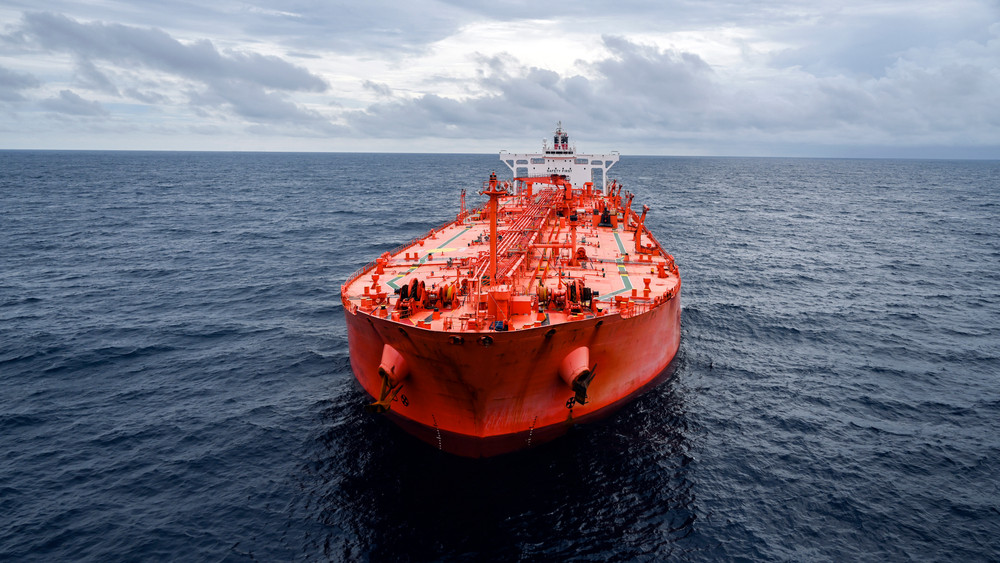
The concrete rupture emerged when Iranian officials disclosed plans to restart shipments from key southern terminals, citing domestic revenue needs and a desire to reassert market presence. The announcement arrived alongside a U.S. declaration that its naval forces would intensify patrols around Iranian harbors, a step taken after Tehran’s recent closure of the Strait of Hormuz that disrupted a major transit corridor. Analysts immediately projected a narrowing of global supply margins, prompting traders to adjust futures positions in anticipation of renewed Iranian flow.
Underlying tension stems from a decades‑long contest between Tehran’s pursuit of oil income and Washington’s strategy of containment through maritime pressure. The United States has leveraged its naval superiority to enforce sanctions, arguing that Iranian oil financing supports regional militancy. Iran, in turn, frames the blockade as an infringement on sovereign trade rights, invoking international law and seeking diplomatic outreach to non‑aligned buyers. The standoff reflects broader geopolitical frictions that involve not only the two powers but also regional actors dependent on oil revenues.
Downstream consequences are already visible in price spikes across benchmark crude contracts and heightened volatility in emerging market currencies linked to oil imports. Iran’s renewed export capacity could restore a portion of its fiscal budget, enabling continued funding of domestic projects and external engagements. Conversely, the intensified blockade risks collateral damage to shipping insurers and port operators, while prompting OPEC to reassess production quotas to stabilize the market. The episode underscores how a single nation’s export decision can reverberate through global energy architecture.
Comments 0