U.S. Senate Passes Energy Permitting Reform Bill Aiming to Accelerate Large‑Scale Projects
The Senate approved a bipartisan measure that streamlines approvals for power plants, grid upgrades and data‑center constructions, winning a 62‑33 vote. Industry groups herald the legislation as a catalyst for renewed infrastructure spending, while environmental advocates warn of reduced oversight.
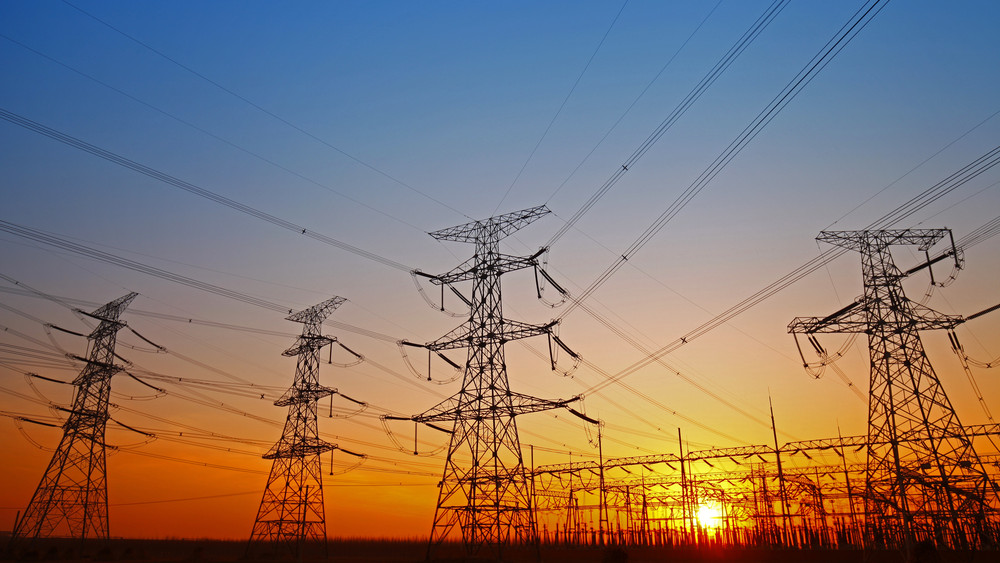
The legislation, known as the Bipartisan American Affordability and Jobs Bill, revises the permitting process by consolidating multiple agency reviews into a single coordinated timeline, reducing average approval periods from several years to under twelve months. Proponents argue that the streamlined framework will unlock billions of dollars in private investment for new generation capacity, modernized transmission corridors, and high‑density data‑center sites. By establishing clear milestones and accountability mechanisms, the bill seeks to eliminate procedural bottlenecks that have historically stalled critical energy infrastructure.
Supporters from the energy sector praised the bill as a long‑overdue correction to a regulatory environment that has become increasingly fragmented. Trade associations highlighted that faster permitting will help meet rising electricity demand, especially as the nation transitions to cleaner generation sources. Conversely, environmental organizations expressed concern that the accelerated schedule could sideline comprehensive impact assessments, potentially compromising air‑quality standards and community consultation processes. Legislative hearings revealed a sharp divide between industry lobbyists, who emphasized economic growth, and advocacy groups, who warned of irreversible ecological damage.
If implemented as written, the reform is projected to stimulate a surge in project filings within the next six months, with developers eager to capitalize on the shortened timeline. The increased pace may also influence state-level permitting practices, prompting a cascade of regulatory harmonization efforts. Over the coming year, the United States could see a measurable uptick in new power‑plant construction starts, particularly in regions seeking to replace aging coal assets with natural‑gas or renewable facilities, thereby reshaping the national energy mix.
Comments 0