Jammu and Kashmir High Court Demands Account from Trial Court Over Year‑Long Delay
The apex court of Jammu and Kashmir has issued a notice to the Srinagar trial court for failing to pronounce an order on a clarification plea for almost twelve months. The move threatens to expose procedural inertia and may prompt broader judicial reforms in the region.
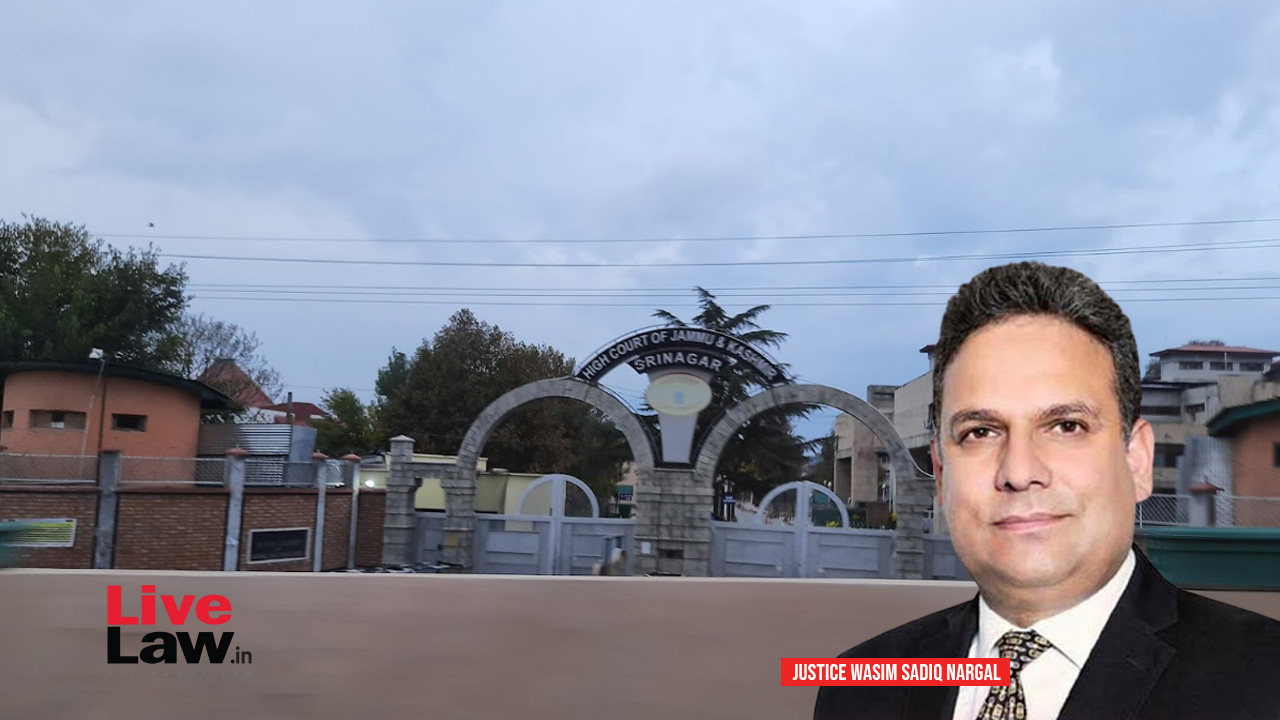
The Jammu and Kashmir High Court, acting on a petition that highlighted a year‑long stagnation, formally asked the Srinagar trial court to explain why it had not delivered a judgment on a clarification plea. This procedural lapse, recorded in the court’s docket, raised concerns among legal practitioners about the efficiency of lower courts in a territory already grappling with administrative challenges. By invoking its supervisory authority, the High Court signalled that prolonged inaction will no longer be tolerated, setting a precedent for expedited handling of pending matters.
The underlying tension stems from a systemic bottleneck where case backlogs intersect with limited judicial resources. Lawyers representing the petitioner argued that the delay undermined the right to timely justice, a cornerstone of constitutional guarantees. The trial court’s silence, they claimed, reflected deeper institutional friction between the judiciary and the executive, especially in a region where security considerations often dominate administrative priorities. Observers note that the High Court’s intervention may compel lower courts to adopt stricter case‑management protocols, thereby reducing the scope for procedural complacency.
If the trial court complies, the immediate outcome will be the issuance of a clarified order, potentially altering the legal position of the parties involved. More broadly, the episode could catalyse a wave of similar oversight actions across other high courts, prompting a reevaluation of case‑flow mechanisms nationwide. Legal scholars anticipate that the heightened scrutiny will encourage the adoption of digital filing systems and stricter timelines, ultimately strengthening the rule of law in Jammu and Kashmir.
Comments 0