Rajasthan High Court Restores Employee After Probation Benefit Shields Against Disqualification
The Rajasthan High Court ordered the reinstatement of a government employee dismissed for nondisclosure of a prior conviction, invoking the protective scope of probation benefits. The verdict underscores the judiciary’s willingness to balance disciplinary action with statutory safeguards.
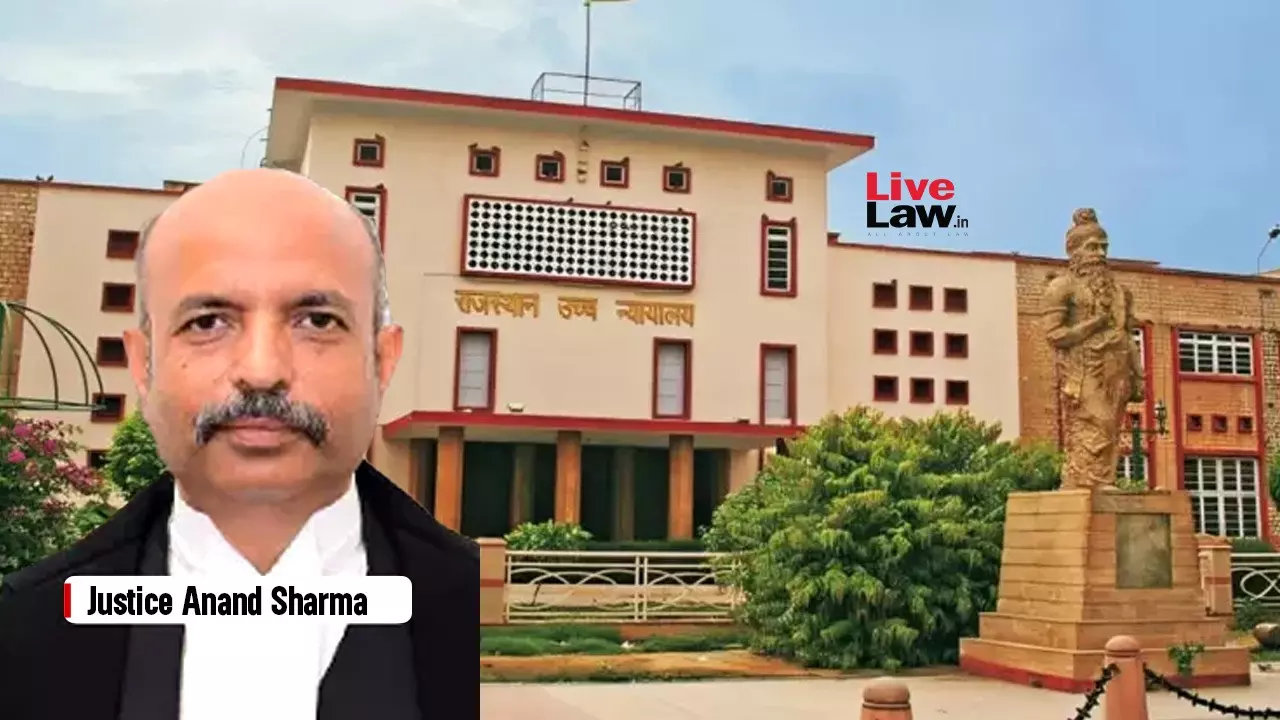
In a decisive ruling, the Rajasthan High Court overturned the termination of a civil servant who had failed to disclose a past conviction, emphasizing that the probation benefit clause shields employees from automatic disqualification. The court examined the statutory language governing probation, concluding that the employee’s right to retain his position persisted despite the omission, provided the conviction did not relate to the duties of his office. This interpretation aligns with a broader judicial trend that seeks to prevent punitive measures from eclipsing procedural fairness.
The tension underlying the case originates from competing imperatives: the state’s interest in maintaining a clean and trustworthy bureaucracy versus the employee’s entitlement to due process. Administrative officials argued that nondisclosure warranted dismissal to preserve institutional integrity. Conversely, the petitioner’s counsel highlighted that the probation provision was designed to afford a remedial window, preventing immediate career ruin for infractions unrelated to official responsibilities. The High Court’s analysis therefore reflects a nuanced balancing of public interest and individual rights.
The downstream impact of the decision will be felt across Rajasthan’s civil services, where similar dismissals may now be subject to stricter legal scrutiny. Departments are likely to revise their recruitment and monitoring policies to ensure compliance with the clarified legal standards. Over the next twelve months, the ruling may inspire a series of appeals in other states, prompting a nationwide reassessment of probationary safeguards and their interaction with disciplinary frameworks.
Comments 0