Jammu & Kashmir High Court Bars Retroactive Revival of Defence Rights After Decree Deposit
The Jammu & Kashmir and Ladakh High Court ruled that depositing the balance amount after a decree cannot reinstate a litigant's right to defend under Order XXXVII of the CPC; the judgment clarifies procedural limits in civil litigation. Legal practitioners anticipate a shift toward stricter compliance with filing deadlines across the region's courts.
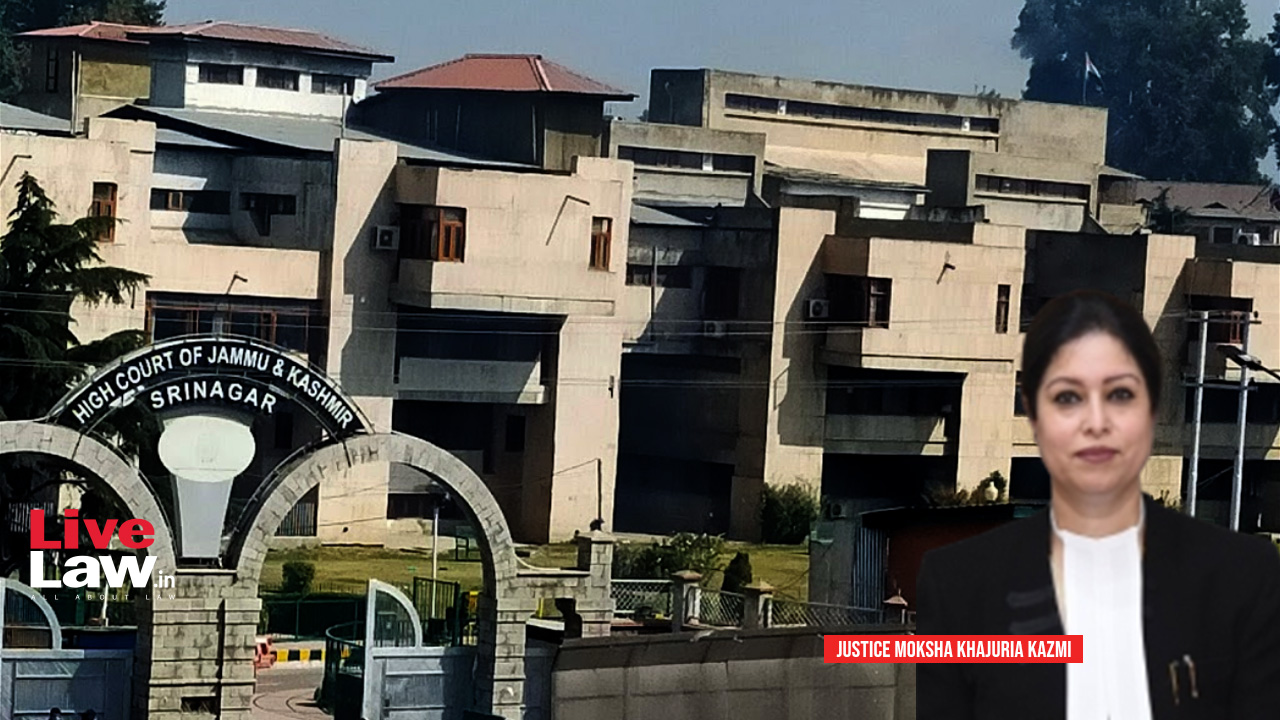
In a recent pronouncement, the Jammu & Kashmir and Ladakh High Court held that once a decree has been passed, the subsequent payment of any outstanding balance does not automatically restore a party's entitlement to contest the decree under Order XXXVII of the Civil Procedure Code. The bench emphasized that the procedural framework is designed to prevent parties from exploiting post‑judgment financial adjustments to reopen settled matters, thereby safeguarding the finality of court orders. The decision was grounded in a detailed examination of precedent and statutory language, underscoring the court's commitment to procedural rigor.
The ruling arrives at a time when the region's judiciary is grappling with a backlog of civil cases, many of which involve complex property disputes and commercial claims. Lawyers representing affected parties expressed concern that the judgment could limit strategic options for clients seeking relief after a decree, compelling them to adhere more closely to pre‑decree procedural safeguards. The court's clarification also signals to lower tribunals that procedural compliance will be scrutinized more closely, potentially leading to a reduction in frivolous applications for decree reversal.
Stakeholders anticipate that the decision will prompt a wave of procedural reforms, including enhanced training for legal professionals on the nuances of Order XXXVII and the introduction of stricter monitoring mechanisms within district courts. Over the next year, the judiciary may see a decline in post‑decree petitions, thereby improving case turnover rates and reducing the overall pendency of civil matters in the Jammu & Kashmir and Ladakh jurisdictions.
Comments 0