The Erosion of American Economic Orthodoxy Under the Second Trump Administration
A prominent analyst argues that the United States is undergoing a structural shift toward state-directed economic management, a departure from decades of free-market dominance. This transformation raises urgent questions about the potential for policy reversal if a Democratic-led Congress regains legislative control.
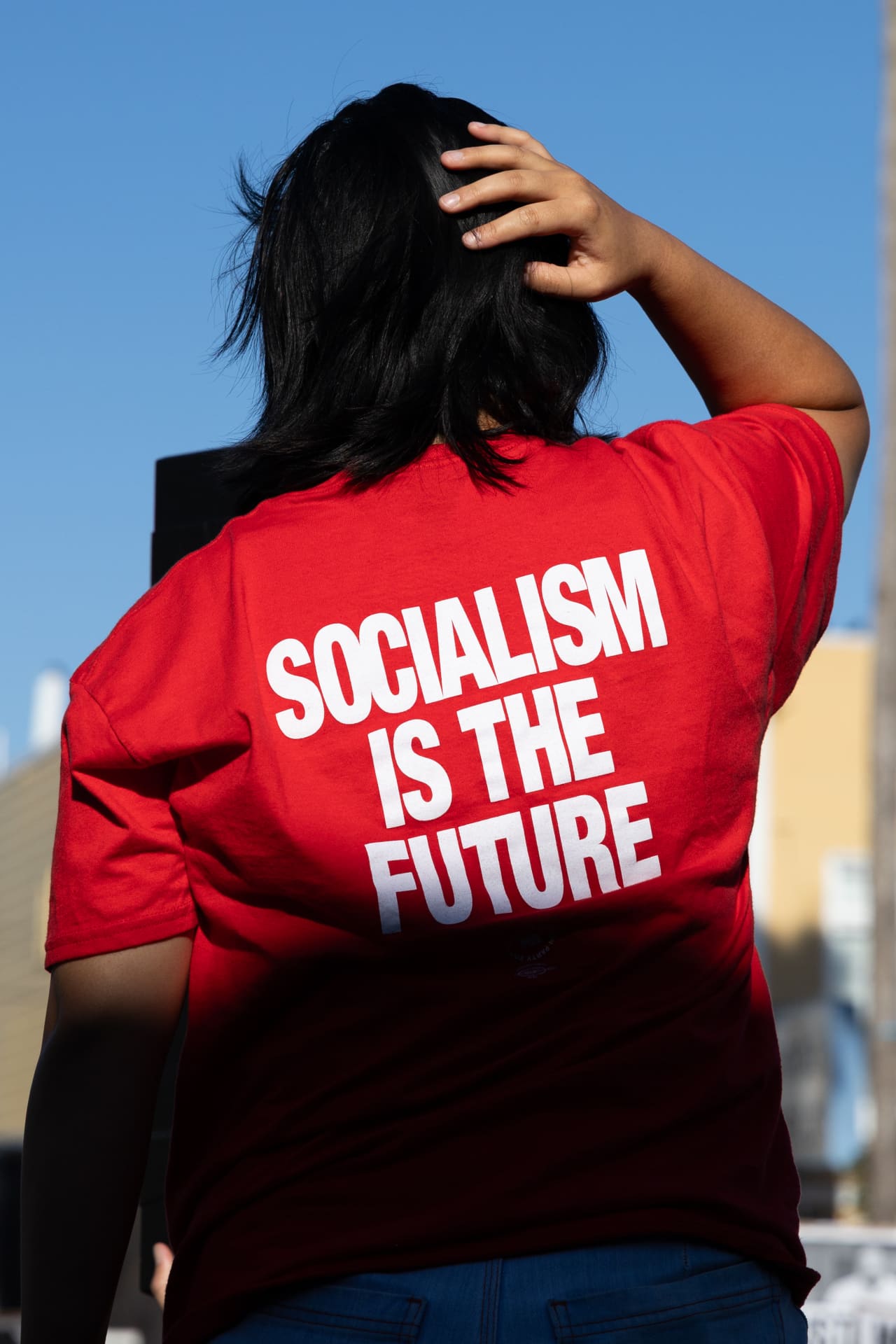
The United States, long regarded as the global standard-bearer for minimal state intervention in markets, is witnessing a profound recalibration of its economic identity. Recent data indicates a significant increase in government spending and regulatory reach, a trend that one leading analyst describes as a slide toward socialist principles. This shift is not merely rhetorical but is embedded in the operational mechanics of federal policy, where state control over economic levers has expanded markedly in the past year. The implications are far-reaching, challenging the foundational assumptions of Western liberal economics and altering the expectations of international investors and trade partners alike.
The underlying tension stems from a clash between ideological commitments and pragmatic governance. The current administration has pursued a strategy that blends protectionist tariffs with expansive fiscal measures, creating a hybrid model that defies traditional classification. This approach has generated friction within the political establishment, as lawmakers grapple with the consequences of increased state involvement in sectors ranging from energy to technology. The institutional friction is evident in the legislative gridlock that often accompanies such policy pivots, where the executive branch pushes for rapid implementation while the judiciary and legislature debate the constitutional boundaries of state power.
The downstream consequences of this shift are already visible in market volatility and geopolitical realignments. Businesses face a more unpredictable regulatory environment, while foreign nations adjust their trade strategies in response to the changing American posture. If a Democratic-run Congress emerges from upcoming elections, the trajectory of this economic transformation could be altered, potentially leading to a period of policy oscillation that further complicates long-term planning. The structural consequence over the next twelve months will likely be a heightened sensitivity to political cycles, with markets pricing in the risk of abrupt policy reversals as a permanent feature of the American economic .
Comments 0