JD Vance Targets H-1B Visa Framework in Debate Over American Workforce Protection
United States political discourse surrounding immigration took a protectionist turn as high-profile figures criticized the H-1B visa system. Critics argue the program displaces domestic labor with lower-wage foreign professionals.
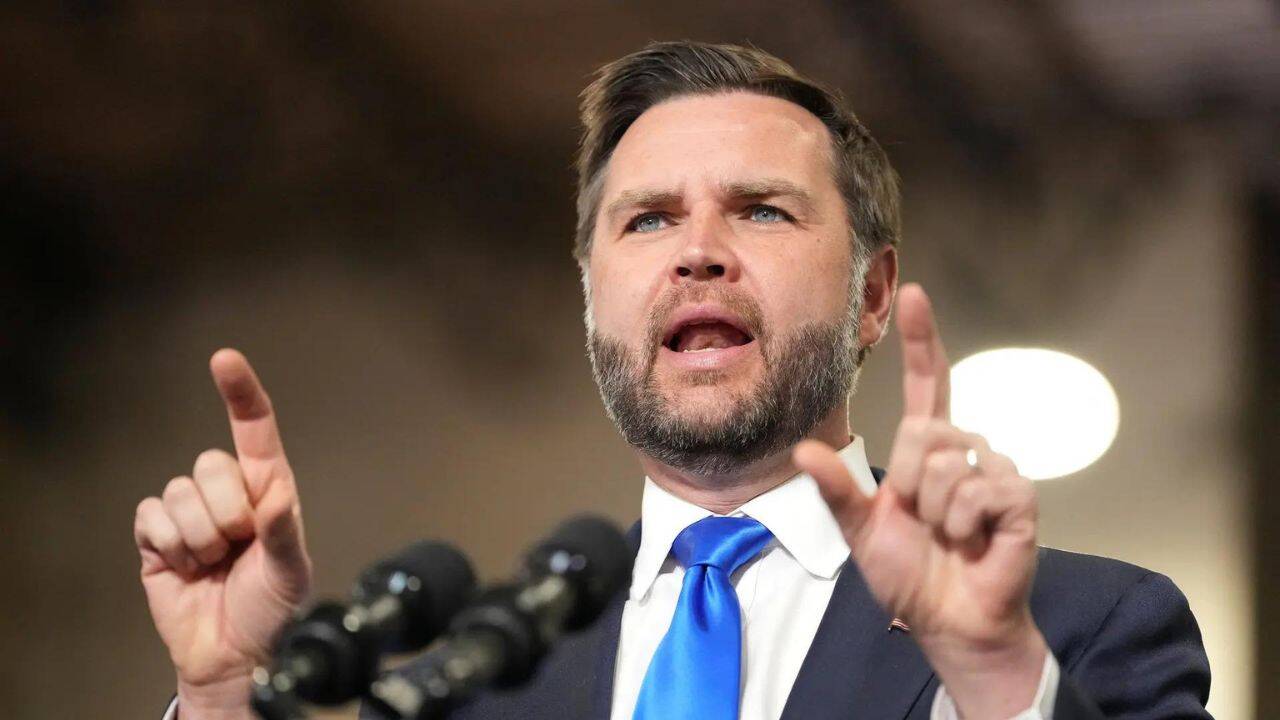
The debate over skilled migration in the United States intensified as prominent political leaders launched direct attacks against corporate reliance on non-immigrant work visas. Opponents argue that the original intent of the visa framework has been subverted by large employers seeking to lower operational labor costs. This rhetoric resonates strongly with working-class constituencies feeling disenfranchised by corporate restructuring and technological displacement. Institutional friction between technology conglomerates and labor advocates has paralyzed legislative reform regarding high-skilled immigration quotas. Silicon Valley firms maintain that foreign talent recruitment is essential for maintaining global technological leadership, warning that restrictive caps will drive innovation offshore. Conversely, labor unions point to corporate layoff numbers as proof that domestic talent pools remain underutilized. Downstream casualties of this political friction include international professionals whose career stability hangs on volatile legislative whim and administrative processing backlogs. The tangible outcome is a chilling effect on foreign recruitment pipelines, prompting major technology firms to expand their engineering hubs in Canada and Europe. Domestic firms face higher recruitment overhead as the talent pool narrows.
Comments 0