Jharkhand High Court Awards Compensation for Train Death Despite Missing Ticket
The Jharkhand High Court has awarded eight lakh rupees to the family of a man who fell from a crowded train, rejecting the argument that his lack of a ticket negated the railway's liability. The ruling establishes a precedent that prioritizes passenger safety over technical compliance in cases of fatal accidents.
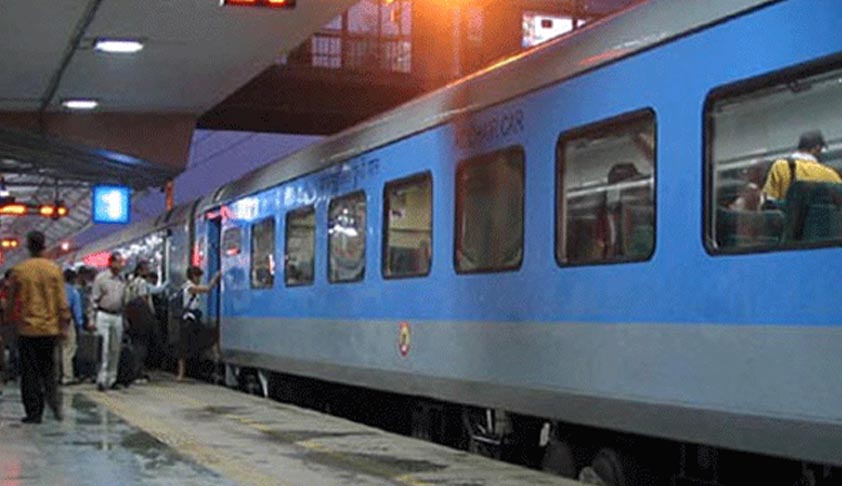
The concrete rupture in the legal interpretation of railway liability is the Jharkhand High Court's award of eight lakh rupees to the family of a man who died after falling from a crowded train. The court rejected the railway's defense that the deceased was not a valid passenger because he did not possess a ticket. This decision marks a significant shift in judicial thinking, recognizing that the railway's duty of care extends to all individuals on its trains, regardless of their ticket status. The ruling is a direct challenge to the rigid application of technical rules in the face of human tragedy.
The underlying tension in this case is the conflict between bureaucratic compliance and human safety. The railway's argument was rooted in a strict interpretation of passenger rights, which are contingent on ticket purchase. However, the court's decision reflects a deeper understanding of the social contract between the state and its citizens, where the safety of individuals is paramount. The friction is institutional, as the railway system is often criticized for its overcrowding and lack of safety measures, which force passengers to take risks. This ruling highlights the inadequacy of current safety protocols in addressing the realities of Indian rail travel.
The downstream consequences of this ruling are significant for the railway system and its passengers. The award of compensation sets a precedent that could lead to increased liability for the railway in similar cases, potentially prompting a review of safety measures and crowd management strategies. For passengers, the ruling offers a sense of justice and recognition of their vulnerability in the face of systemic failures. The tangible outcome is a legal framework that prioritizes human life over technical compliance, with the potential to drive improvements in railway safety and accountability.
Comments 0