Jharkhand High Court Overturns Premature Release Denial, Citing Review Lapse
The Jharkhand High Court set aside the review board’s rejection of a convict’s plea for early release, finding that the board failed to examine essential reports. The verdict restores the petitioner’s right to a fair parole assessment.
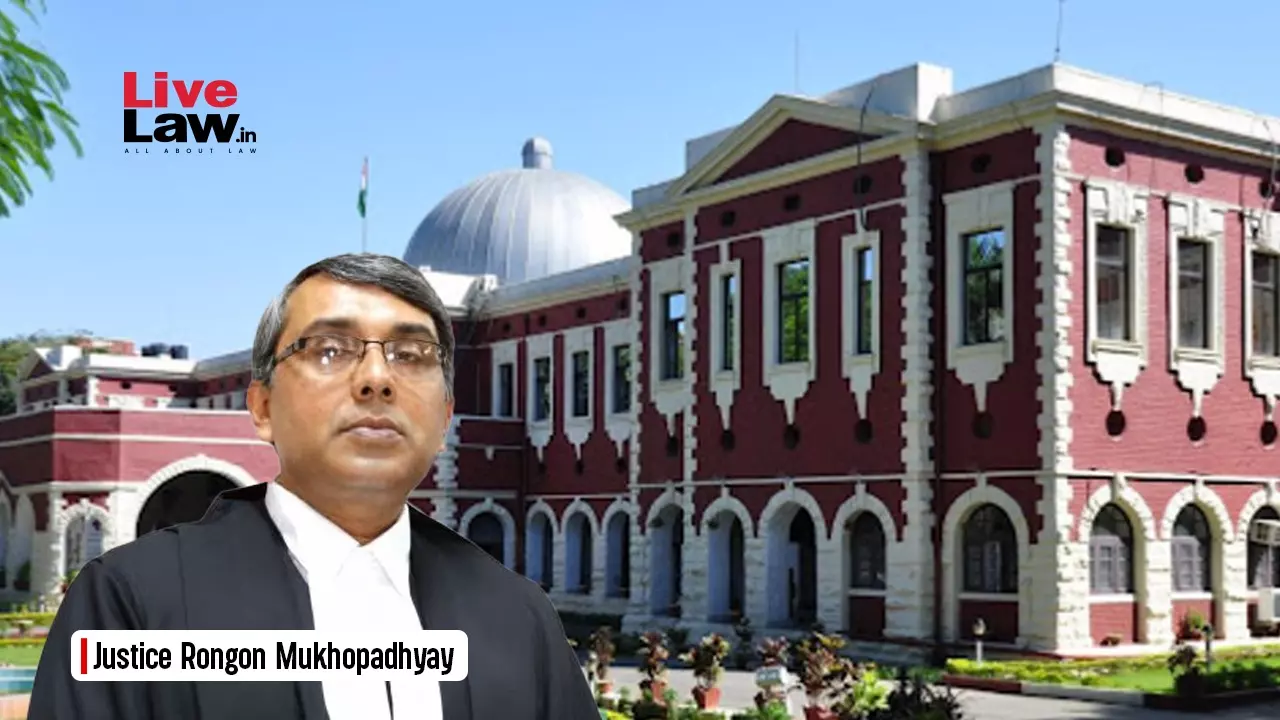
In a landmark judgment, the Jharkhand High Court quashed the decision of the state’s review board that had dismissed a convict’s request for premature release. The bench observed that the board had not duly scrutinised the psychological and behavioral reports submitted by prison authorities, thereby breaching the principles of natural justice. By ordering a fresh review, the court reaffirmed the necessity for administrative bodies to base decisions on a complete evidentiary record.
The ruling exposes a systemic weakness in the state’s parole evaluation framework, where procedural shortcuts can lead to arbitrary outcomes. Legal commentators point out that the review board’s oversight may stem from resource constraints or inadequate training, raising questions about the overall robustness of the criminal justice apparatus. The court’s intervention serves as a cautionary signal to other agencies that procedural lapses will not be tolerated, prompting a possible overhaul of review protocols.
Consequences of the decision are already unfolding within the prison system. Inmates awaiting parole may anticipate more rigorous examinations of their dossiers, potentially lengthening the processing period but enhancing the fairness of outcomes. The state administration is likely to allocate additional resources to ensure that review panels conduct comprehensive assessments, thereby reducing the risk of future judicial interference. Moreover, the judgment may influence other high courts to scrutinise similar procedural deficiencies, fostering a nationwide push for more transparent parole procedures.
Comments 0