Allahabad High Court Halts Arbitrary Evictions for Hospital Project
The Allahabad High Court has issued a stern rebuke to Uttar Pradesh authorities for evicting shopkeepers without determining lease rights or offering rehabilitation. The ruling highlights the persistent conflict between rapid infrastructure development and the legal protections afforded to informal economic actors.
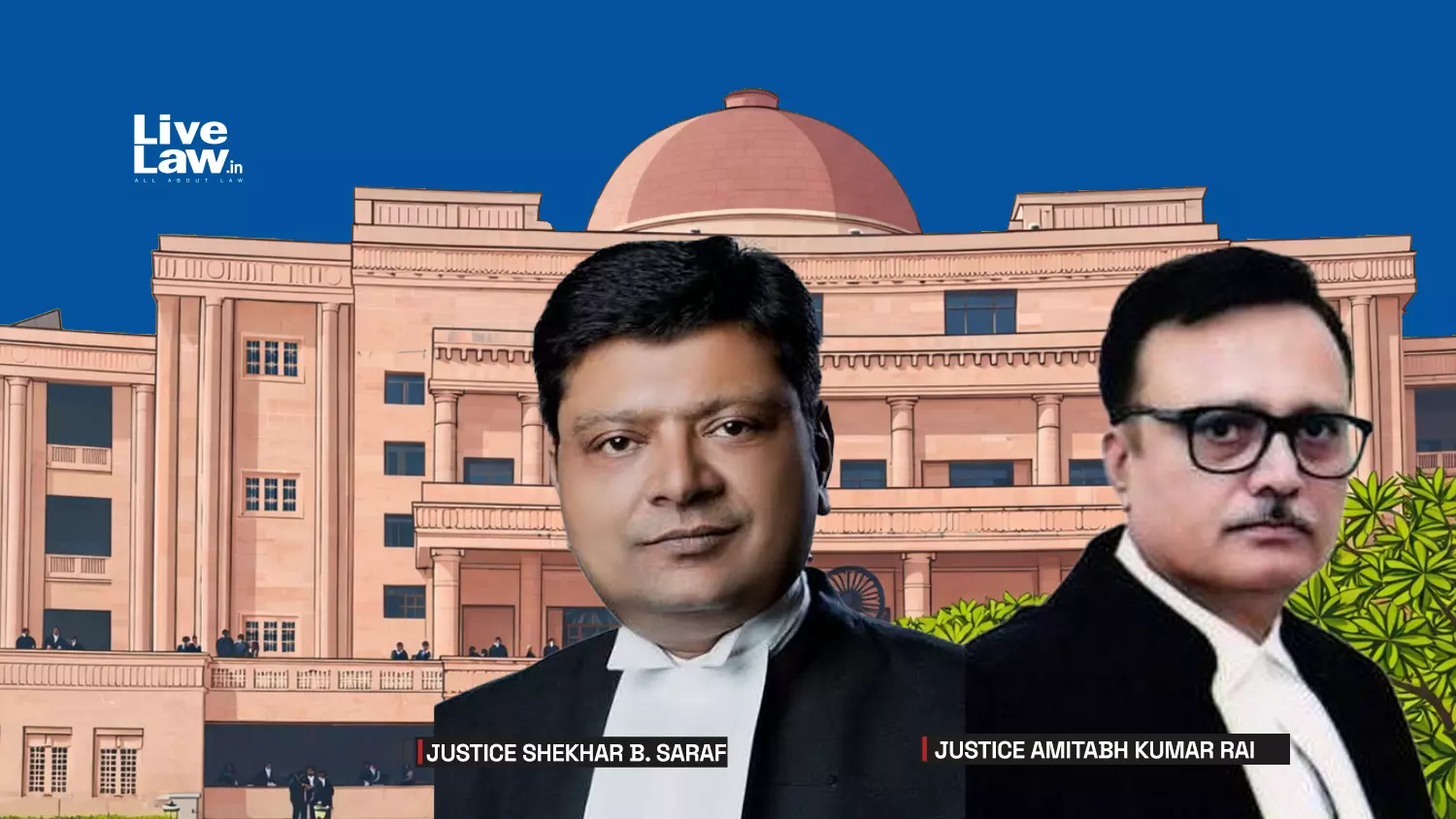
The Allahabad High Court has intervened in a dispute involving the eviction of six shopkeepers to make way for a government hospital project. The court described the eviction as 'arbitrary' and 'highly condemnable,' noting that the authorities failed to determine the lease status of the occupants or propose any form of compensation or rehabilitation. This judicial intervention serves as a check on the executive's power to displace citizens in the name of public welfare, emphasizing that legal due process cannot be bypassed for the sake of administrative expediency.
The underlying tension in this case reflects a broader pattern in Indian urban development, where the state's drive to build infrastructure often collides with the rights of those occupying informal or semi-formal commercial spaces. The friction arises from the gap between the legal framework, which requires proof of ownership or lease, and the reality on the ground, where many small traders operate without formal documentation. This gap creates a vulnerability that is often exploited by authorities seeking to clear land quickly, leading to disputes that end up in the courts.
The immediate casualty of this eviction order is the livelihood of the shopkeepers, who face the prospect of losing their businesses without recourse. The downstream impact extends to the local economy, as the displacement of small traders can disrupt the supply chain and reduce consumer access to essential goods. The ruling sets a precedent that will likely be cited in similar cases across the state, forcing authorities to adopt more rigorous legal procedures before executing evictions, thereby slowing down but legitimizing the process of urban redevelopment.
Comments 0