Judicial Defense of Persona: Manoj Bajpayee Confronts Artificial Intelligence Misuse in the Delhi High Court
Acclaimed cinematic actor Manoj Bajpayee has formally petitioned the Delhi High Court to secure permanent injunctions against unauthorized commercial exploitation of his biometric identity and voice profiles. This legal maneuver establishes an immediate defensive perimeter for performing artists confronting unregulated machine learning synthesis.
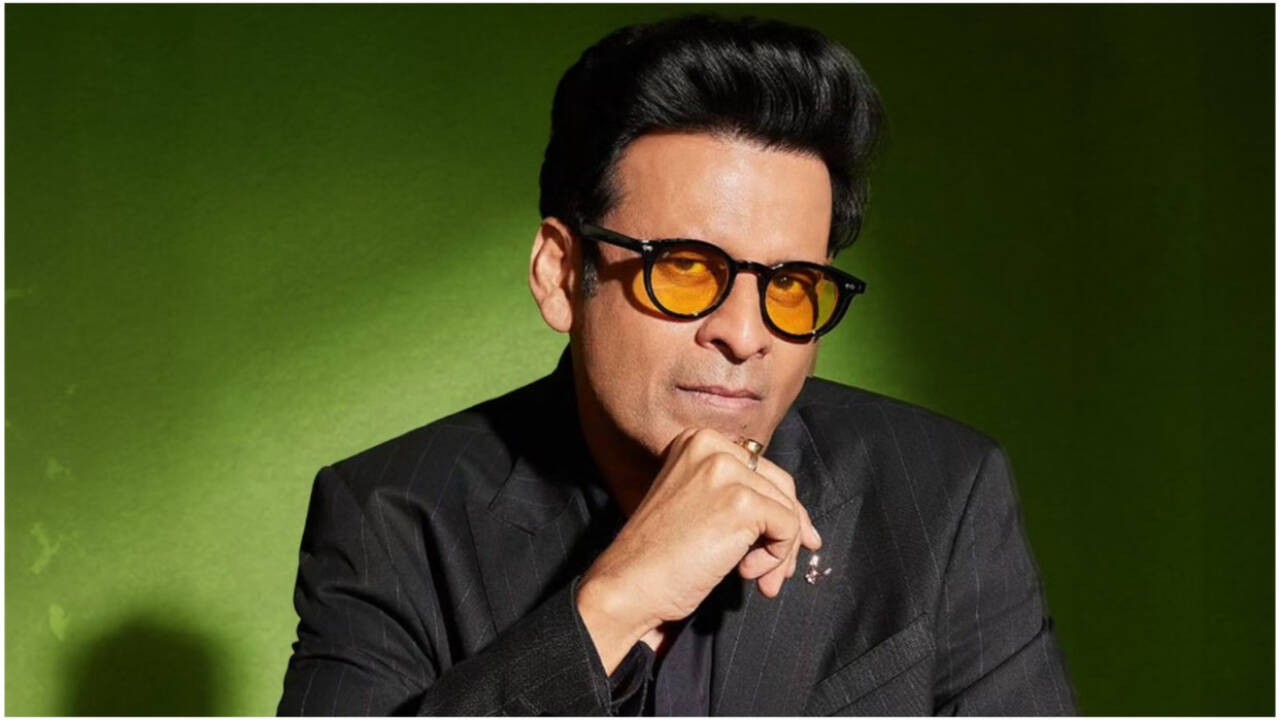
The contemporary commodification of human identity reached an administrative crossroads when veteran performer Manoj Bajpayee initiated legal proceedings before the Delhi High Court. The petition seeks robust judicial protection of personal publicity rights against the unchecked proliferation of generative artificial intelligence models capable of cloning voice timbre and facial structure. By asserting proprietary claims over his likeness, the actor seeks to curtail unauthorized digital impersonations that bypass contractual consent and fair compensation frameworks. This litigation exposes a widening regulatory vacuum governing digital personhood within the entertainment sector. While statutory copyright laws traditionally govern fixed expressions, the modular nature of modern neural networks allows commercial entities to synthesize convincing performances without utilizing copyrighted master recordings or direct visual captures. Consequently, legal practitioners find themselves navigating antiquated tort doctrines to address modern algorithmic appropriation, forcing the judiciary to articulate novel interpretations of common law privacy and personality rights. The immediate outcome of this judicial intervention will likely establish a binding precedent for Indian celebrity rights, compelling technology platforms and independent creators to secure explicit licenses before deploying synthetic likenesses. Production houses must now audit their digital workflows to eliminate liability, shifting the balance of economic power away from speculative technology developers and back toward creative contributors whose unique identities fuel training datasets.
Comments 0