Judicial Homogeneity: Ex-CJI Gavei Challenges the Bench Composition
Former Chief Justice of India Gavei has formally petitioned President Murmu, arguing that the Supreme Court bench is disproportionately dominated by a single community. This intervention exposes a deepening institutional fracture regarding representation and the legitimacy of the highest court in the land.
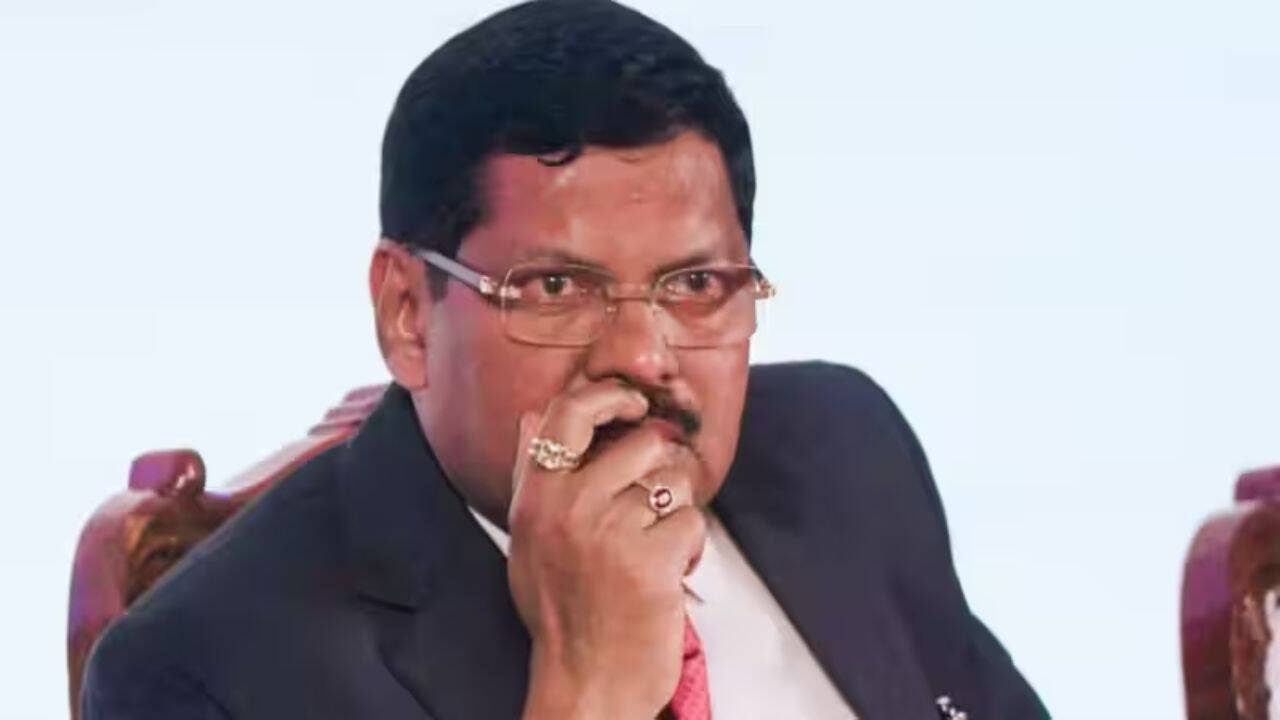
The rupture in the judicial establishment is no longer whispered in corridors but declared in writing. Former Chief Justice of India Gavei has taken the unprecedented step of addressing President Murmu directly, citing a persistent and troubling gap in diversity within the Supreme Court. The letter highlights that the bench is heavily skewed towards a specific community, leaving Other Backward Classes, Scheduled Castes, and Scheduled Tribes significantly underrepresented. This is not merely a statistical observation but a challenge to the social fabric of the institution that adjudicates the nation's most sensitive disputes.
The underlying tension reflects a long-simmering debate about the composition of the judiciary and its perceived distance from the populace it serves. For years, critics have argued that the appointment process, while meritocratic, inadvertently reinforces a particular social stratum. Gavei's intervention suggests that this imbalance has reached a critical threshold where it threatens the court's mandate to be a truly representative arbiter of justice. The friction is institutional, pitting the traditional norms of judicial recruitment against the constitutional imperative of inclusive representation.
The downstream consequence of this letter is a potential crisis of confidence in the judiciary's neutrality. If the highest court is seen as reflecting only a narrow slice of society, its rulings may face greater scrutiny and resistance from marginalized communities. The tangible outcome could be a forced reevaluation of appointment criteria, potentially leading to more transparent and diverse selection processes. However, it also risks politicizing the judiciary further, as debates over representation become entangled with political narratives.
Comments 0