Judicial Intervention: Bombay High Court Initiates Suo Motu PIL Over Sound Pollution During Ganesh Festival
The Bombay High Court has instituted suo motu proceedings to address rampant decibel violations during the Ganesh festival. This legal intervention threatens to penalize municipal bodies for failing to enforce statutory noise boundaries.
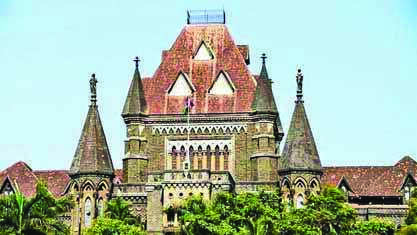
For decades, the public celebrations of the Ganesh festival across Maharashtra have merged absolute devotion with staggering acoustic intensity. Streets transform into open-air auditoriums where commercial sound systems routinely overwhelm statutory limits, creating an environment of severe distress for the elderly, infants, and hospital patients. The refusal of local authorities to regulate loudspeaker permits has long turned civic oversight into a polite fiction, leaving citizens with little recourse against state-sanctioned noise. Faced with persistent administrative inaction, the judiciary has stepped directly into the breach by initiating a suo motu public interest litigation. This move signals a profound institutional friction between the judiciary and municipal executive machinery. Judges have made it clear that customary traditions cannot supersede fundamental rights to health and peace, demanding immediate accountability from police commissioners and civic chiefs who routinely look the other way during peak celebration windows. If enforced with systemic rigor, this judicial directive will permanently alter the operational blueprint of public festivals across western India. Event organizers face heavy financial penalties and the confiscation of equipment, while local police stations must now submit compliance logs directly to high-court appointees. The immediate casualty is the unfettered impunity long enjoyed by neighborhood committees, forcing a painful transition toward regulated, lower-decibel public commemorations.
Comments 0