Karnataka High Court Greenlights Bike‑Taxi Operations, Mandates Transport Registration
The Karnataka High Court has permitted the operation of bike‑taxis, directing the state government to classify two‑wheelers as transport vehicles and issue appropriate registrations. The judgment opens a new mobility segment while raising questions about regulatory oversight and driver safety.
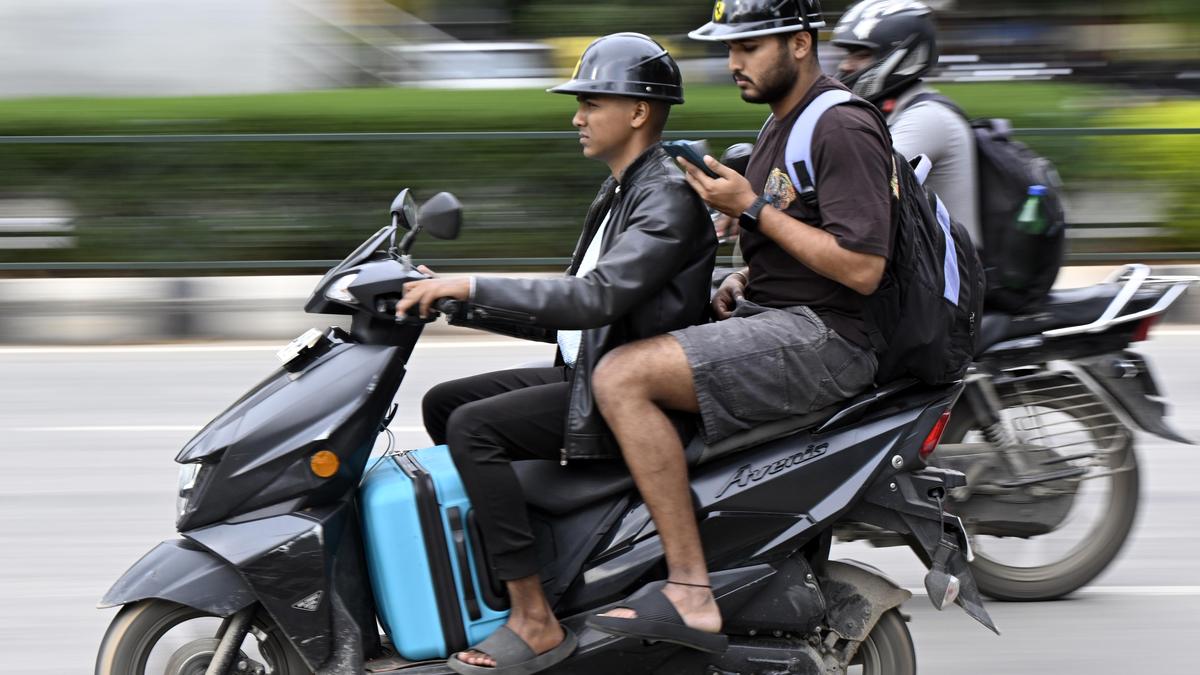
In a landmark ruling, the Karnataka High Court affirmed that two‑wheelers used for passenger conveyance fall within the definition of a transport vehicle, thereby obligating the state to issue registration certificates and enforce compliance with transport regulations. The decision follows a series of petitions by bike‑taxi operators who argued that existing motor vehicle laws unfairly restricted their ability to compete with traditional auto‑rickshaws and app‑based car services. The court’s order compels the Karnataka Transport Department to draft revised guidelines within three months.
The judgment arrives amid a surge in demand for affordable, last‑mile connectivity in Bengaluru’s congested streets. Urban planners have highlighted the potential of bike‑taxis to reduce traffic density and lower emissions, provided that safety standards, such as mandatory helmets, driver background checks and insurance, are rigorously applied. Critics, including auto‑rickshaw unions, warn that the influx of low‑cost competitors could erode livelihoods, prompting calls for a phased rollout and protective measures for existing transport workers.
Implementation will require coordination between the transport authority, municipal corporations and technology platforms that facilitate ride‑hailing. Early adopters are expected to launch pilot programmes in select zones, gathering data on passenger volumes, accident rates and revenue streams. Over the next year, the state’s transport ecosystem may witness a rebalancing of modal share, with bike‑taxis capturing a measurable slice of commuter traffic and influencing future urban mobility policies across southern India.
Comments 0