Trump's Ukraine Energy Truce Collapses as Russian Missiles Strike Kyiv
The October energy truce between Russia and Ukraine has effectively ended, with Putin withdrawing from the agreement after the APEC summit. This rupture removes a key stabilizing factor in the conflict and exposes European energy markets to renewed volatility.
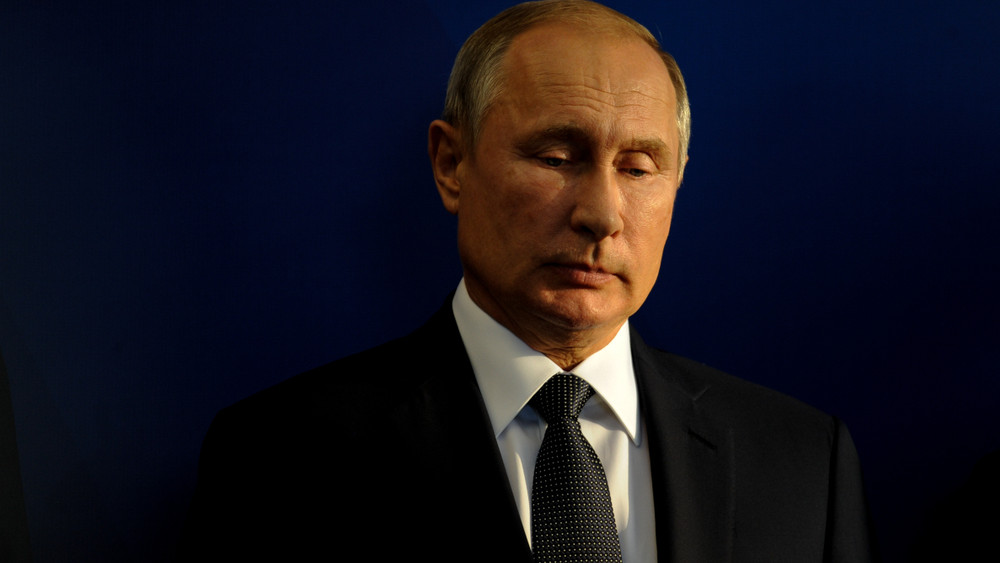
The fragile energy truce brokered by the United States in October has unraveled, with Russian missiles striking Kyiv and President Vladimir Putin explicitly stating that Russia would no longer adhere to the agreement. This development follows Putin's meeting with US President Donald Trump and Chinese President Xi Jinping at the APEC summit, where the geopolitical dynamics shifted in a manner that favored Moscow's hardline stance. The collapse of this truce is not just a diplomatic failure; it is a direct escalation in the physical conflict, with immediate implications for energy infrastructure and supply chains.
The underlying tension in this conflict has always been the balance of power between the three major powers: the US, Russia, and China. The truce was a temporary reprieve, but the fundamental disagreement over Ukraine's sovereignty and the post-war order remains unresolved. Putin's decision to withdraw from the agreement signals a calculation that the current geopolitical alignment does not offer enough concessions to justify restraint. The institutional friction is now between the US attempt to manage the conflict through diplomatic channels and Russia's insistence on military leverage.
The downstream consequence of this rupture is a renewed surge in energy prices and a destabilization of European security. The loss of the truce means that energy infrastructure in Ukraine and potentially in neighboring countries is once again a target, increasing the risk of supply disruptions. This will likely force European nations to accelerate their energy diversification efforts and increase their military support for Ukraine, further entangling the US in the conflict.
Comments 0