Karnataka High Court Rejects Aadhaar as Age Proof in Motor Accident Litigation
The Karnataka High Court ruled that an Aadhaar card cannot serve as definitive proof of age, relying instead on a post‑mortem report to establish the deceased’s age in a recent motor accident case. The decision underscores judicial caution in equating biometric identifiers with legal documentation.
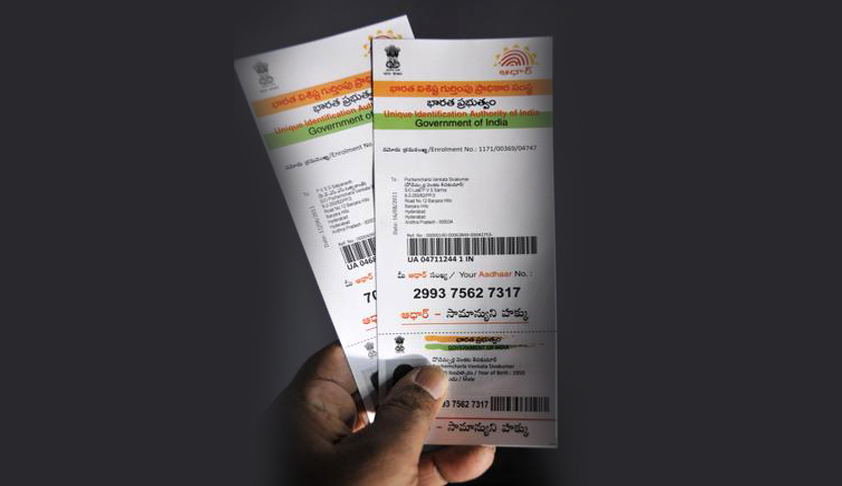
In a motor accident that claimed a young life, the plaintiff’s counsel attempted to use the victim’s Aadhaar card to demonstrate that the deceased was under the legal driving age. The High Court, however, found the biometric document insufficient, noting that Aadhaar does not contain birthdate verification and can be issued based on limited evidence. Instead, the bench examined the post‑mortem report, which provided forensic age estimation, and accepted it as the authoritative source for the legal determination.
The ruling highlights a broader tension between digital identity initiatives and traditional evidentiary standards. Legal scholars have argued that reliance on Aadhaar for critical legal matters could erode procedural safeguards, while government officials maintain that the system enhances verification efficiency. The court’s stance may prompt law enforcement agencies to revisit protocols for accident investigations, ensuring that age verification aligns with forensic best practices rather than digital identifiers alone.
Consequences of the judgment are already manifesting in procedural adjustments across Karnataka’s traffic courts. Police departments are being instructed to collect comprehensive medical reports in addition to identity documents during accident processing. Civil rights groups have welcomed the decision, viewing it as a safeguard against over‑reliance on a single data source. Over the next year, similar rulings are expected to emerge in other jurisdictions, potentially reshaping the legal surrounding biometric data usage.
Comments 0