Kerala Governor’s Veg‑Only Kitchen Order Sparks Political Row
Om Prakash Mathur, the newly appointed governor of Kerala, mandated a vegetarian kitchen on his first day, prompting backlash from local politicians and culinary stakeholders. The decree has ignited a debate over cultural autonomy and administrative overreach.
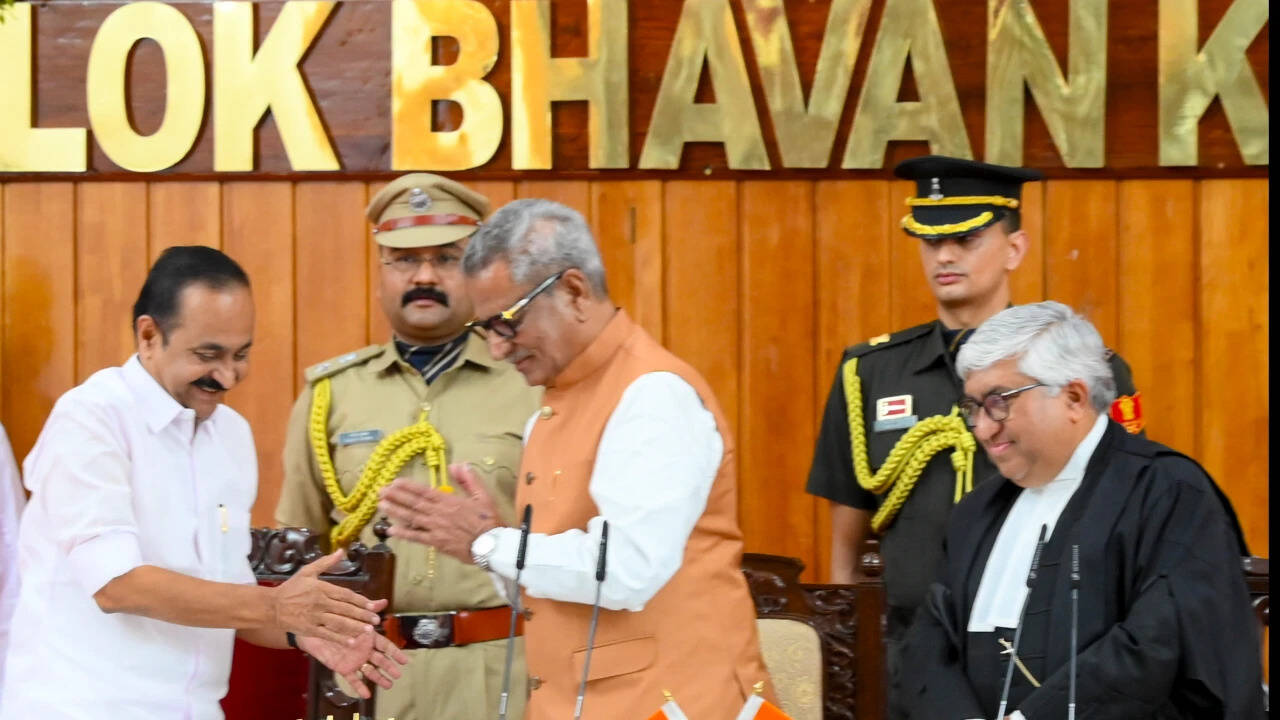
Upon assuming office, Governor Mathur issued an administrative order that all official catering services within the governor’s residence and associated state facilities must serve only vegetarian meals. The directive, framed as a health and ethical measure, immediately drew criticism from Kerala’s chief minister and opposition leaders, who argued that the move disregarded the state’s rich culinary heritage, which includes a celebrated tradition of non‑vegetarian dishes integral to its cultural identity. Protesters gathered outside the Raj Bhavan, chanting slogans that highlighted regional pride and the importance of culinary freedom.
The controversy reveals an underlying tension between the central government’s representative and the state’s autonomous cultural policies. Kerala has long championed a pluralistic approach to food, with its cuisine reflecting centuries of maritime trade and diverse religious practices. By imposing a uniform dietary standard, the governor’s office has inadvertently challenged the principle of federalism that allows states to preserve their unique customs. Legal scholars note that while the governor possesses certain discretionary powers, the use of such authority to dictate dietary norms may overstep constitutional boundaries, potentially inviting judicial review.
The immediate fallout includes a halt to the implementation of the veg‑only policy, as state officials seek clarification from the Ministry of Home Affairs. Business owners in the hospitality sector fear a loss of revenue if similar mandates were extended beyond the governor’s residence. In the longer term, the episode may prompt a reexamination of the governor’s role in cultural matters, reinforcing the need for dialogue that respects both national oversight and regional sensibilities.
Comments 0