Kerala’s Pampa River: The High Court’s War on Ritual Pollution
The Kerala High Court has authorized spot fines of up to ₹5,000 for the dumping of clothes and other waste in the Pampa River, a direct response to the environmental degradation surrounding the Sabarimala temple. This judicial intervention marks a significant shift in the state’s approach to balancing religious practice with ecological preservation.
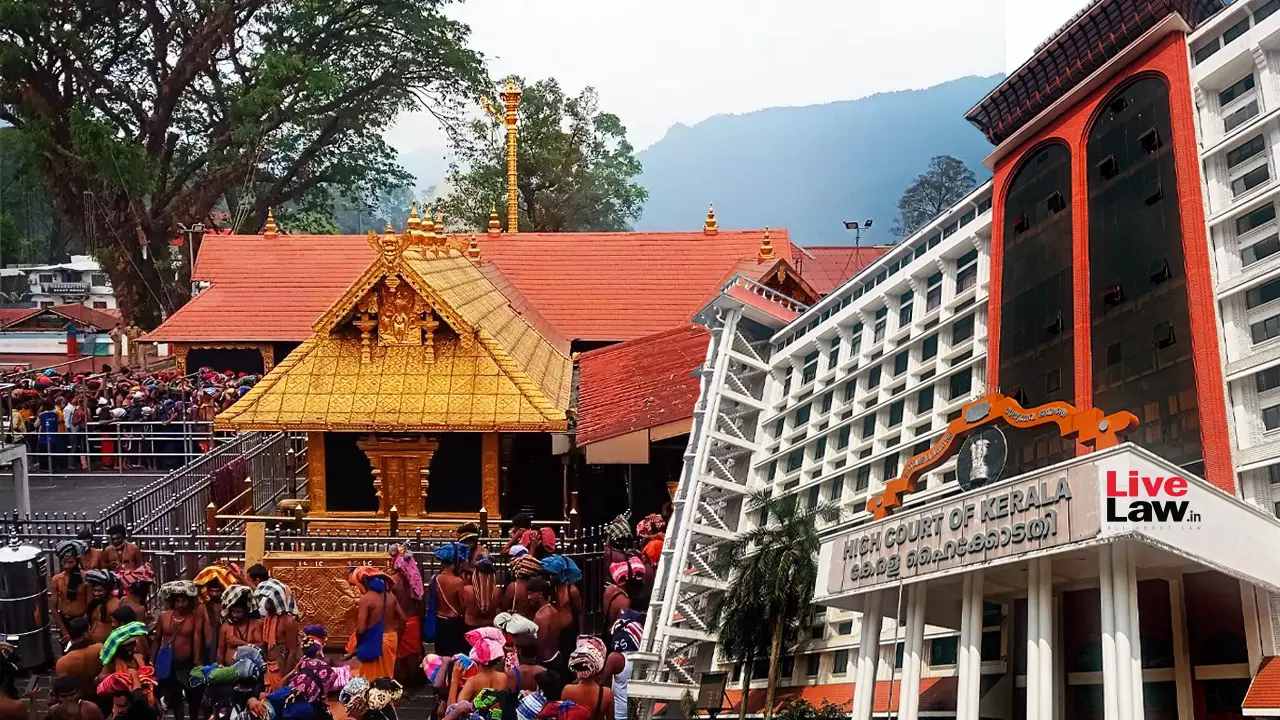
The concrete rupture is the judicial imposition of immediate financial penalties for pollution, a move that bypasses the slow and often ineffective processes of environmental enforcement. The court’s decision is a direct response to the visible and measurable degradation of the Pampa River, which is a sacred site for millions of devotees. The spot fines are designed to create an immediate deterrent, forcing those who pollute to face the consequences of their actions in real time, rather than through a protracted legal process.
The underlying tension is between the deeply held religious practices of the devotees and the ecological imperative to protect the river. The dumping of clothes and other waste is a long-standing tradition, but its environmental impact is undeniable. Institutional friction arises from the lack of clear guidelines on how to perform rituals in an environmentally sustainable way, leading to a situation where the state is forced to intervene. The court’s decision is an attempt to find a middle ground, allowing the rituals to continue while imposing strict limits on their environmental impact.
The downstream casualties are the local communities who depend on the river for their livelihoods, as well as the wildlife that inhabits the area. The tangible outcome is a cleaner river, but also a potential shift in the behavior of devotees, who may be forced to adopt new practices that are less harmful to the environment. For the state, this decision sets a precedent for the management of other sacred sites, where the balance between religion and ecology is a constant challenge. The long-term consequence is a redefinition of religious practice in the context of environmental sustainability, a shift that will have far-reaching implications for other parts of the country.
Comments 0