Bengaluru’s Metro Lifeline: The Second Organ Transport Success
Bengaluru’s Namma Metro has successfully facilitated the transport of a human organ for the second time, demonstrating the potential of rapid transit systems to save lives in medical emergencies. This initiative highlights the innovative use of public infrastructure to address critical healthcare challenges, setting a new standard for urban emergency response.
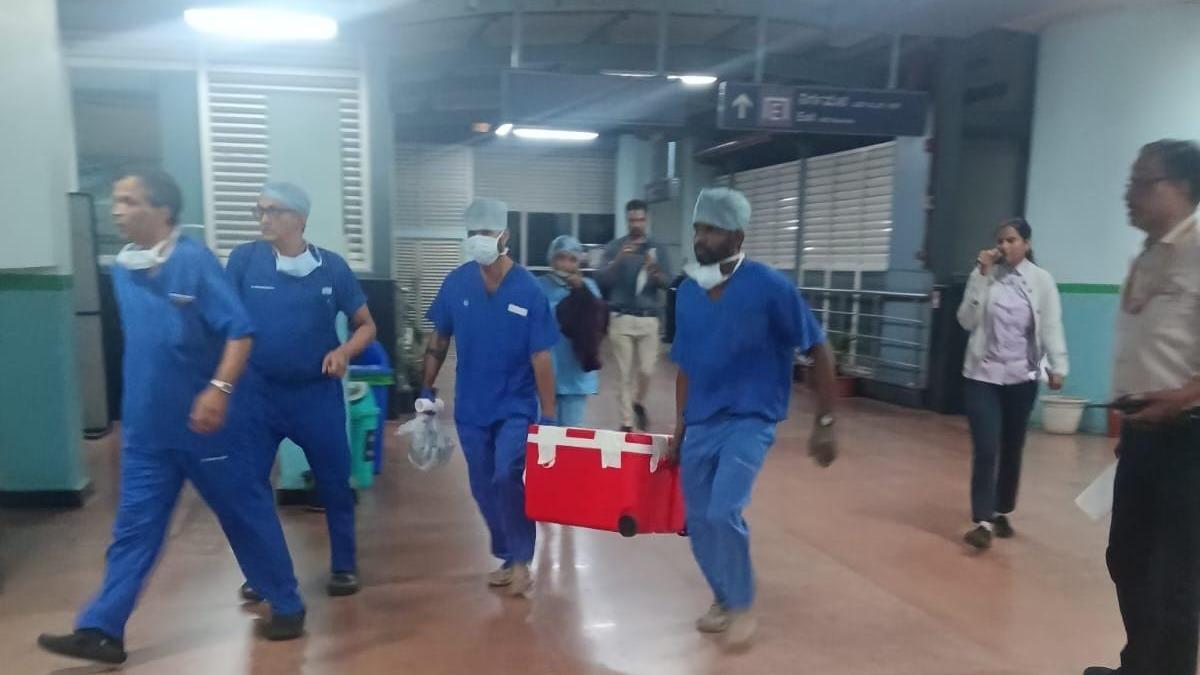
The concrete rupture is the successful use of the metro system to transport a time-sensitive organ, a feat that was previously unimaginable in a city with such heavy traffic congestion. The metro’s ability to provide a reliable and rapid transit route has proven to be a lifeline for patients in need of transplants. This success is not just a technical achievement but a to the collaborative effort between the metro authority and the medical community, who have worked together to develop protocols for such emergencies.
The underlying tension is between the rigid schedules of public transport and the unpredictable nature of medical emergencies. The metro system is designed to serve the general public, and accommodating a special request for organ transport requires a significant deviation from standard operating procedures. Institutional friction arises from the need to coordinate with multiple agencies, including the police, traffic authorities, and the hospital, to ensure a smooth and timely transfer. The success of this initiative depends on the willingness of these agencies to prioritize the life of a patient over the normal flow of traffic.
The downstream casualties are none, as the outcome is a life saved. The tangible outcome is a new protocol for organ transport that can be replicated in other cities with similar transit systems. For the healthcare system, this initiative reduces the time between organ retrieval and transplantation, which is critical for the success of the procedure. The long-term consequence is a shift in the perception of public transport, which is now seen not just as a means of mobility but as a vital component of the healthcare infrastructure. This success story is likely to inspire other cities to explore similar collaborations, potentially saving many more lives in the process.
Comments 0