Kishtwar tragedy: Congress alleges Army friendly fire killed two police officers
In Jammu and Kashmir, the Congress party has demanded a thorough investigation into the deaths of two special police officers, alleging they were accidentally shot by Army personnel during a hunting operation. The BJP has dismissed the allegations as provocative, setting the stage for a political confrontation over military accountability in the region.
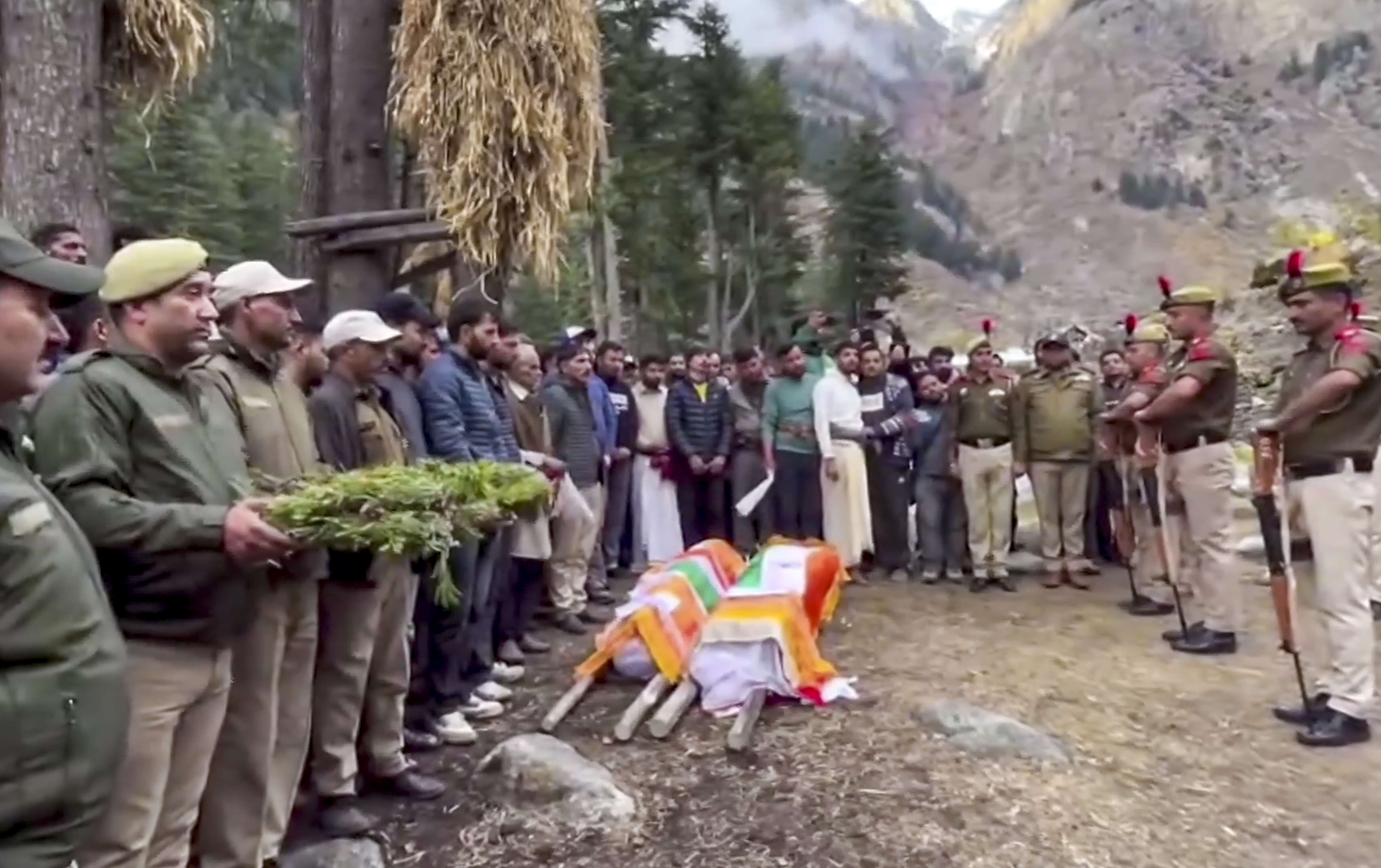
The concrete rupture in the delicate balance of power between civilian police and military forces in Jammu and Kashmir has been exposed by the fatal shooting of two special police officers in Kishtwar. Initial reports suggest that the officers were killed by friendly fire from Army personnel who were engaged in a hunting operation, a claim that has ignited a fierce political debate. The incident has transformed a localized tragedy into a national issue, with opposition parties seizing upon it to question the operational protocols and accountability mechanisms of the Indian Army in sensitive border zones.
The underlying tension reflects a long standing friction between the civilian administration and the military establishment in the region, where the lines of authority are often blurred by the persistent security threat. Institutional friction is evident in the differing narratives presented by the Congress and the BJP, with the former calling for an independent inquiry and the latter defending the military's actions as necessary for security. This divergence highlights the broader challenge of maintaining civilian oversight over military operations in areas where the state's monopoly on violence is contested by both internal dissent and external aggression.
The downstream casualties of this incident extend beyond the immediate loss of life, as it erodes public trust in the security apparatus and fuels political polarization. The tangible outcome is a heightened scrutiny of military conduct, which could lead to stricter regulations on operations in civilian areas and a reevaluation of the coordination protocols between police and army units. For the families of the deceased, the tragedy underscores the human cost of the security establishment's operational failures, while for the political class, it offers a platform to challenge the status quo of military impunity in the region.
Comments 0