Kolkata Clubs Curate Year-Round Engagement for Senior Citizens
Community clubs across West Bengal are launching structured, year-round programming to combat severe isolation among aging urban populations. The initiative transforms recreational spaces into vital social safety nets for the elderly.
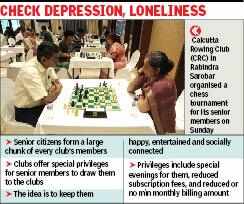
Confronted with the rapid nuclearization of families and the steady emigration of younger generations, traditional social clubs in Kolkata have initiated comprehensive engagement calendars tailored specifically for senior citizens. These programs move beyond tokenistic annual gatherings, offering daily intellectual, physical, and recreational activities designed to preserve cognitive acuity and emotional well-being. The institutional pivot reflects a growing recognition of elderly care as an urgent public health imperative within urban centers undergoing demographic transitions. Club administrators and geriatric health specialists have collaborated to design environments that mitigate loneliness, which medical professionals link directly to cognitive decline and cardiovascular disorders. This grassroots mobilization fills a glaring void left by municipal social welfare frameworks, which rarely provide localized recreational infrastructure for the aging demographic. Financing for these initiatives relies on internal club endowments and modest member subscriptions, bypassing sluggish governmental bureaucracy entirely. Elderly participants experience immediate psychological relief and tangible improvements in physical mobility through regularized social interaction and light exercise regimens. The broader consequence is the emergence of resilient community-based eldercare models that can be replicated across other metropolitan areas facing similar demographic pressures. These neighborhood institutions are effectively substituting for absent state-sponsored welfare systems through localized solidarity.
Comments 0