Neurological Warnings Emerge Over Rising Early Onset Alzheimer Rates
Medical specialists in eastern India have issued formal warnings regarding a disturbing increase in early-onset Alzheimer cases among working-age adults. The trend places unprecedented emotional and economic burdens on families and healthcare systems.
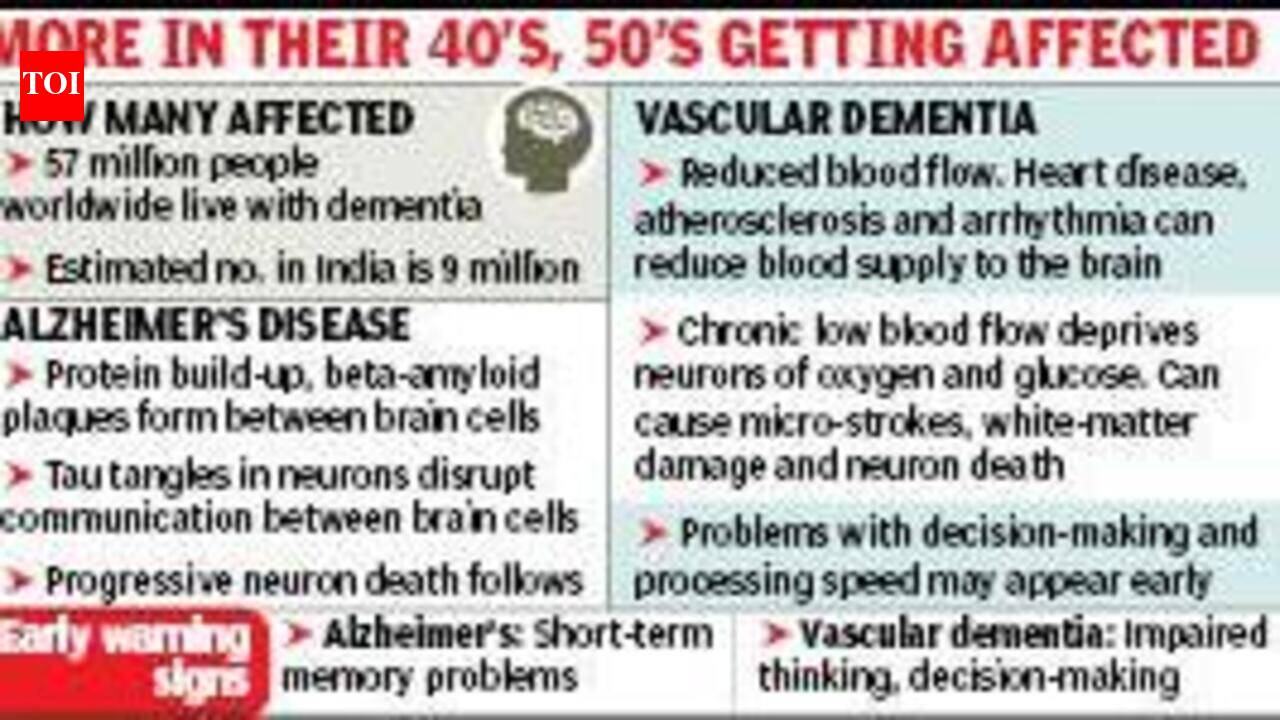
Neurologists practicing in metropolitan clinical centers have documented an alarming upward trajectory in Alzheimer diagnoses among individuals below the age of fifty. This clinical shift challenges the conventional medical understanding of dementia as an exclusively geriatric affliction, forcing researchers to investigate lifestyle stressors, environmental neurotoxins, and genetic predispositions unique to contemporary urban environments. The rising incidence among primary breadwinners threatens household financial stability long before traditional retirement age. Medical institutions find themselves inadequately equipped to handle the specialized long-term care requirements of younger dementia patients, whose physical stamina often complicates institutional management. Insurance frameworks routinely fail to cover specialized cognitive therapies and continuous neurological monitoring, leaving families to shoulder devastating out-of-pocket expenses. Professional friction between general practitioners and specialized neurologists frequently delays accurate diagnoses, robbing patients of early-stage therapeutic interventions. The downstream casualty of this epidemiological shift is the economic collapse of affected households and the psychological burnout of primary caregivers. As diagnostic protocols evolve to incorporate advanced brain modulation and non-invasive stimulation therapies, equitable access remains severely restricted to affluent urban minorities. Without systemic healthcare policy intervention, early-onset neurodegenerative disorders will emerge as a major macroeconomic drain.
Comments 0