Lakhimpur Kheri Trial Judge Replaced After Supreme Court Intervenes
The Supreme Court has ordered the Allahabad High Court to take remedial action following concerns raised by victims in the Lakhimpur Kheri case, resulting in the replacement of the trial judge. This judicial intervention underscores the gravity of the case and the need for impartiality in the administration of justice, particularly in high-profile cases involving political figures.
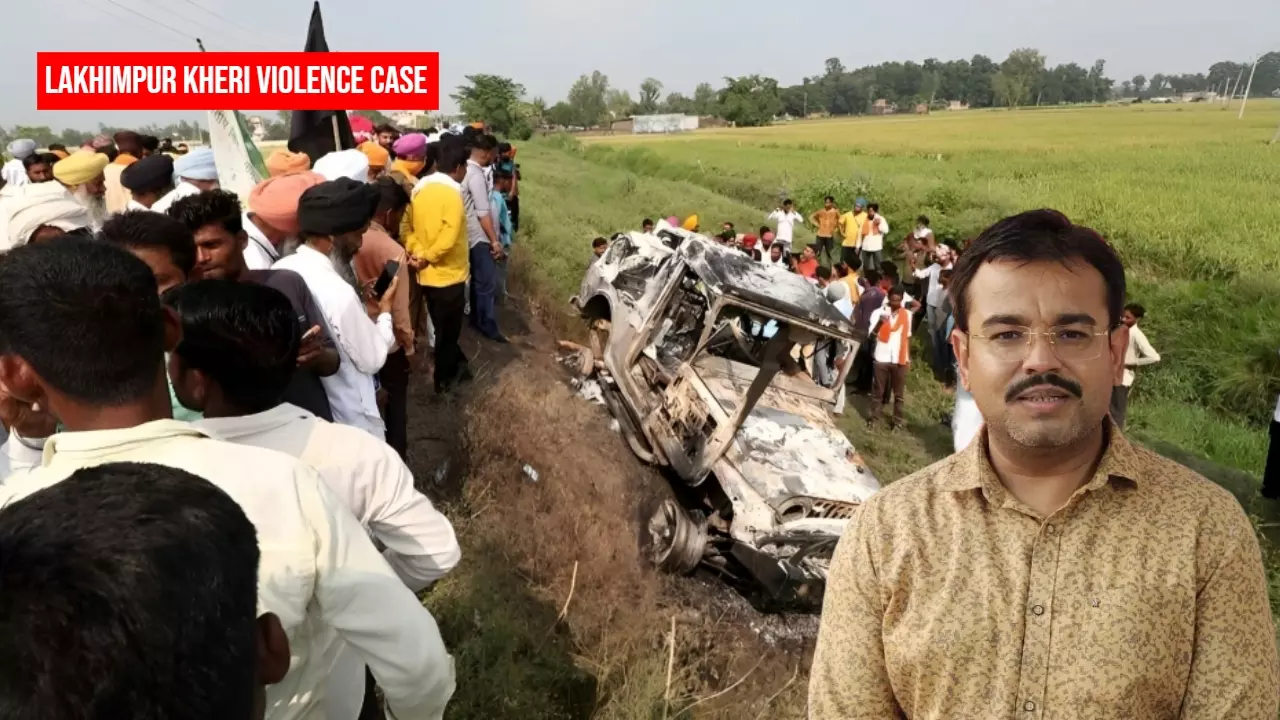
The concrete rupture in the judicial process for the Lakhimpur Kheri case is the replacement of the trial judge following a directive from the Supreme Court. The Supreme Court has sought remedial action from the Allahabad High Court in response to concerns raised by the victims, indicating a perceived lack of impartiality or procedural fairness in the lower court proceedings. The immediate shockwave is a renewed scrutiny of the judicial system's ability to handle high-profile cases with integrity, particularly those involving political figures and allegations of violence.
The underlying tension is rooted in the public's distrust of the judicial system's independence in cases involving powerful individuals. The Lakhimpur Kheri case, which involved the death of several people during a political rally, has become a symbol of the intersection of political power and judicial accountability. The friction is exacerbated by the perception that the lower courts may be influenced by political pressures, leading to a demand for higher judicial oversight. This intervention by the Supreme Court is a response to these concerns, aiming to restore confidence in the judicial process.
The downstream casualties of this judicial intervention are the victims and their families, who have been subjected to a prolonged legal battle. The tangible outcome is a reinforced mandate for the judiciary to act with impartiality and transparency in high-profile cases. This event sets a precedent for the Supreme Court's active role in overseeing lower court proceedings, potentially leading to a more robust system of judicial accountability in the future.
Comments 0