Leopard Encounters Surge in Junnar, Claiming Six Biker Lives
Six separate attacks on motorcyclists have been recorded in the Junnar region over a fortnight, coinciding with the peak of the sugar‑cane harvest. The spate of incidents has ignited debate over wildlife management and rural road safety.
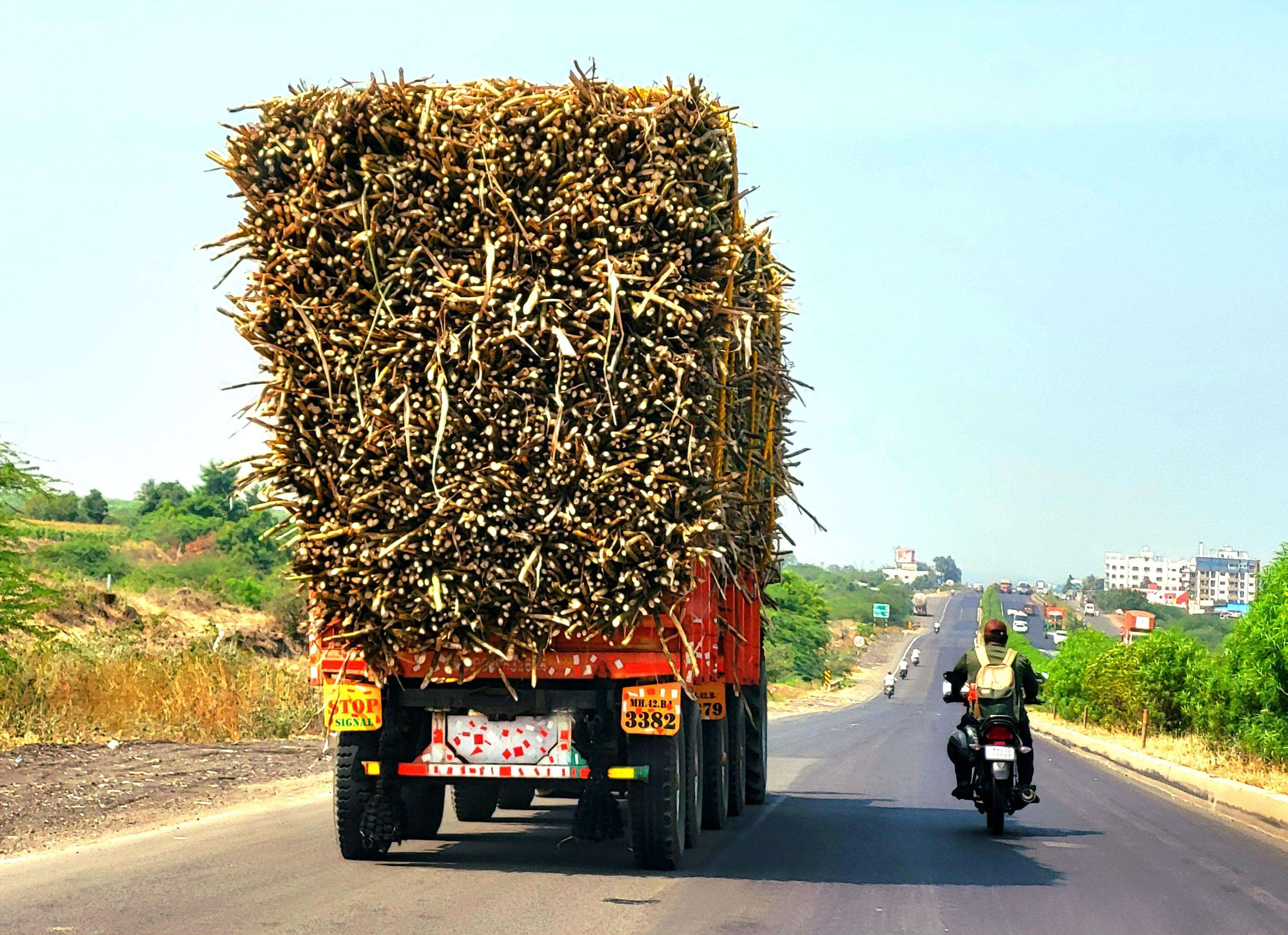
The district police of Pune reported six leopard attacks on bikers traversing the forest‑adjacent roads of Junnar during the last two weeks, a period that aligns with the intensive sugar‑cane harvesting season. Victims, ranging from local commuters to visiting tourists, suffered severe injuries, and in two cases, fatalities were confirmed. Authorities attribute the heightened encounters to the movement of workers and machinery through traditional leopard corridors, which has disrupted the predators' natural hunting patterns.
Underlying the conflict is a broader tension between agricultural expansion and habitat preservation. The rapid conversion of forested land into cultivated fields has fragmented the leopards' territory, forcing them to seek alternative prey and, at times, venture onto human pathways. Conservation officials argue that inadequate buffer zones and insufficient compensation for livestock losses have eroded community tolerance, while local farmers contend that wildlife incursions threaten their livelihoods and safety.
In response, the state wildlife department has proposed a multi‑pronged mitigation plan that includes the installation of warning signage, the creation of wildlife crossing corridors, and the deployment of rapid response teams equipped to tranquilise and relocate problem animals. If implemented effectively, these measures could reduce human‑wildlife clashes by a significant margin, preserving both the region's agricultural productivity and its biodiversity. Failure to act may result in further loss of life and could prompt stricter restrictions on land use, affecting the local economy.
Comments 0