Madhya Pradesh High Court Calls Out Illegal Roadside Hoardings
The Madhya Pradesh High Court issued a notice in response to a public‑interest litigation challenging the proliferation of unauthorised hoardings on road dividers and footpaths. The ruling threatens to disrupt entrenched commercial interests that have long occupied public space.
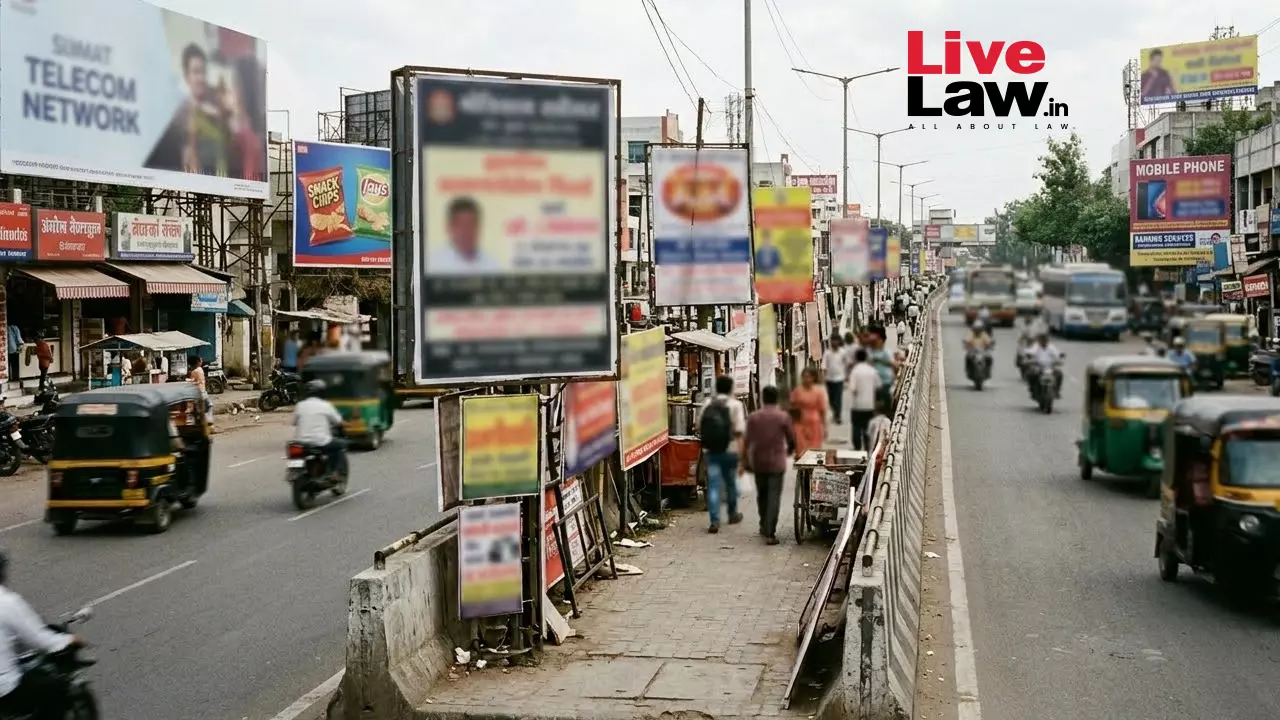
A petition filed by a civic group highlighted the chaotic spread of billboards and advertising structures that have encroached upon the narrow medians and pedestrian pathways of several cities in Madhya Pradesh. These installations, often erected without municipal permission, have narrowed the effective width of thoroughfares, creating bottlenecks for commuters and posing hazards for pedestrians, especially during peak traffic hours. The court's notice obliges the state government to present a detailed inventory of such structures and to justify their continued presence under existing urban planning statutes.
The underlying friction stems from a clash between municipal authorities seeking to enforce zoning regulations and commercial entities that profit from high‑visibility advertising locations. Over the past decade, the demand for roadside advertising has surged, driven by a competitive market for consumer attention. Local officials have struggled to balance revenue considerations with the imperative of maintaining safe and accessible public spaces. The litigation underscores a growing civil‑society pushback against unchecked commercialisation of civic infrastructure.
If the court mandates the removal of the illegal hoardings, the immediate impact will be a reshaping of the visual along major arteries, potentially easing traffic flow and reducing accident risk. Moreover, the decision could set a precedent for other Indian states grappling with similar encroachments, prompting a nationwide reassessment of advertising policies on public land. The ripple effect may also stimulate a shift toward digital or off‑road advertising platforms, altering the revenue streams of local businesses that rely on traditional billboard income.
Comments 0