Kerala High Court Narrows Internship Eligibility to Final-Year Law Students
The Kerala High Court amended its internship policy, restricting eligibility to law students in their final two years of study. The change aims to standardize training experiences and address concerns over the quality of legal apprenticeships.
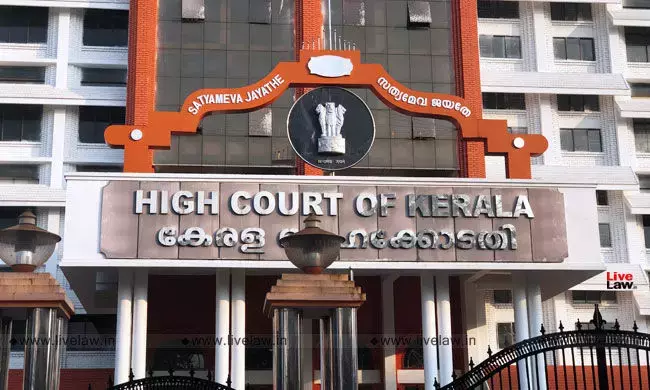
The concrete rupture in the state's legal education framework emerged when the bench issued a directive limiting internship placements to students who have completed the majority of their academic curriculum. By redefining eligibility criteria, the court sought to ensure that interns possess sufficient theoretical grounding before engaging in practical legal work, thereby enhancing the overall competence of future practitioners. The ruling also mandated that law firms and courts adhere to the revised guidelines, with penalties for non‑compliance, establishing a clear regulatory environment for legal training.
Underlying tension stemmed from longstanding debates over the proliferation of unpaid or low‑quality internships that many argued exploited aspiring lawyers. Critics of the previous open‑policy contended that early‑stage students were often assigned menial tasks, limiting their exposure to substantive legal practice. The court's intervention reflects a broader institutional effort to align legal education with professional standards, addressing grievances raised by bar associations and academic institutions alike.
Downstream casualties include a temporary reduction in the number of available internship slots, as firms adjust to the new eligibility requirements. However, the policy is expected to elevate the caliber of legal apprentices, potentially leading to improved performance in bar examinations and a more skilled workforce. Over the coming year, the amendment may prompt other Indian states to review their own internship frameworks, fostering a nationwide movement toward higher standards in legal training.
Comments 0