Madras High Court Issues Contempt Notice to IAS Officers Over Library Procurement Scandal
The court summoned two senior IAS officers for contempt after a probe uncovered irregularities in a multi‑crore library procurement scheme in Tamil Nadu. The notice underscores mounting scrutiny of bureaucratic accountability and threatens administrative reshuffles within the state.
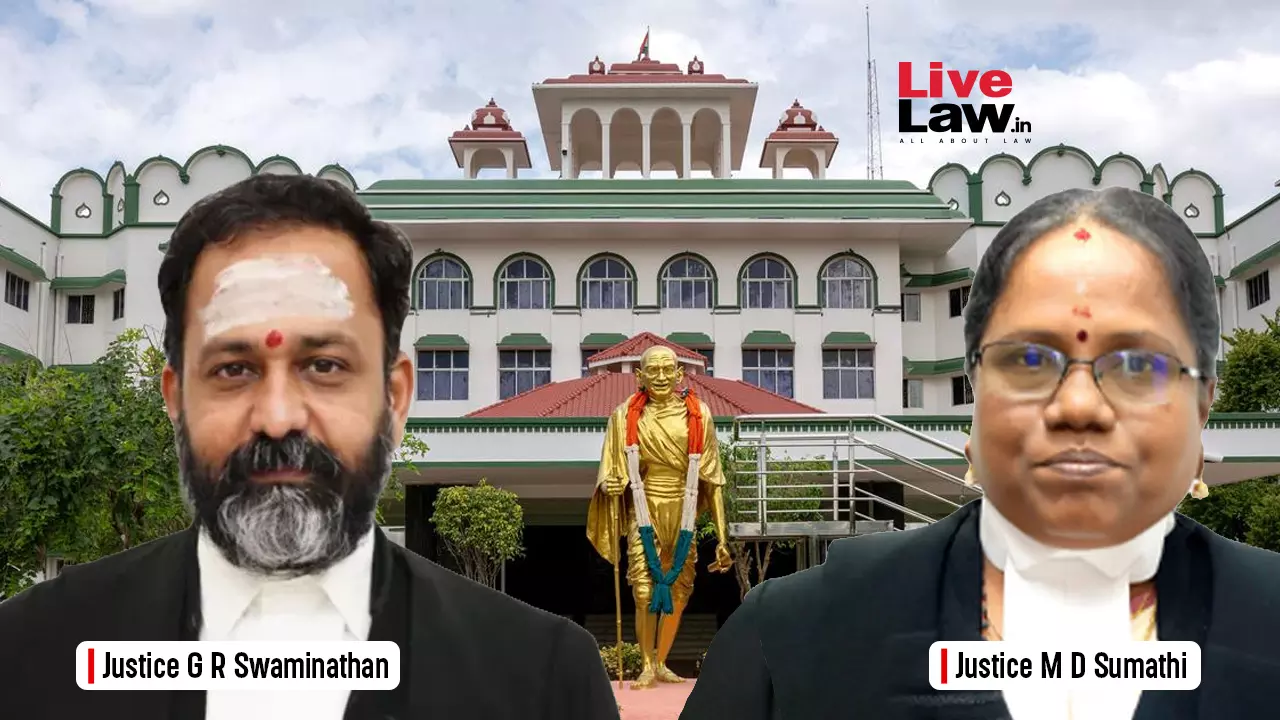
In a decisive session, the Madras High Court issued a contempt notice to two senior Indian Administrative Service officers implicated in the alleged misallocation of funds for a state library procurement project. The court observed that the officers had failed to comply with earlier directives to produce complete documentation, thereby obstructing the investigative process. By invoking contempt powers, the bench signaled that procedural defiance by senior officials will attract swift judicial rebuke, reinforcing the principle that no public servant stands above the law.
The scandal has amplified existing concerns about procurement transparency in Tamil Nadu, where previous audits have highlighted systemic lapses in tendering practices. Civil society watchdogs have long warned that opaque contracts create fertile ground for corruption, eroding public confidence in government services. The High Court’s intervention reflects a broader clash between an activist judiciary and a bureaucracy accustomed to discretionary authority. Legal analysts suggest that the contempt notice could catalyze a series of internal reviews across other departments, as officials seek to preempt further judicial censure.
Consequences of the notice are already rippling through the state’s administrative apparatus. The two IAS officers face possible suspension, and the government may be compelled to appoint an independent oversight committee to audit the library project. Moreover, the episode is likely to influence upcoming procurement reforms, prompting stricter adherence to e‑tendering protocols. Within the next year, the state could witness a measurable reduction in procurement irregularities as agencies adopt more rigorous compliance mechanisms to avoid similar judicial interventions.
Comments 0