Maharashtra's Voter Roll Surge: 23.6 Lakh Forms Filed in SIR Claims Period
Over 23.6 lakh voter forms have been submitted in Maharashtra during the SIR claims period, with no indication of a deadline extension from the Election Commission of India. This surge in participation reflects a heightened political awareness and a desire to ensure representation in the upcoming electoral process.
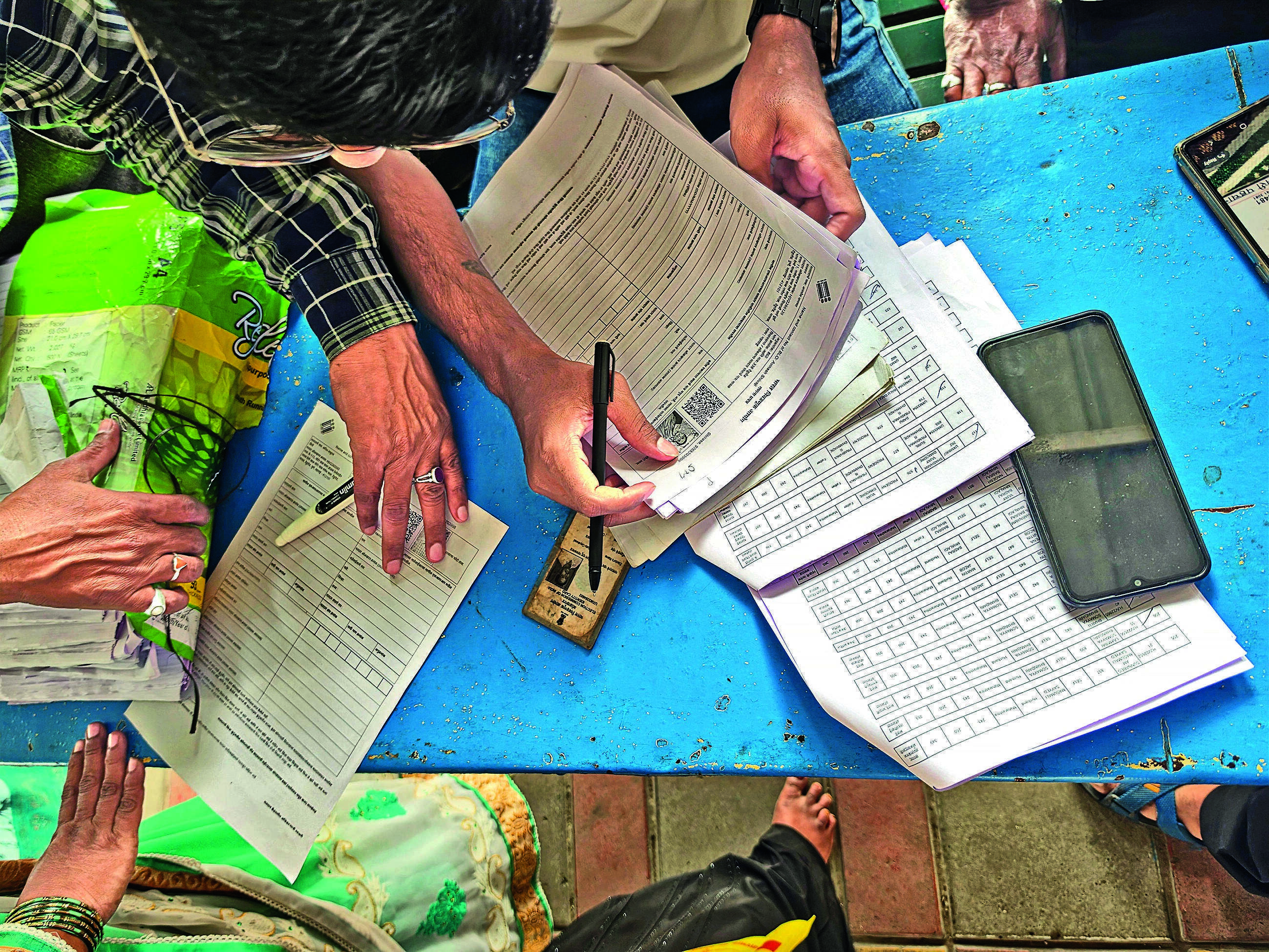
The submission of over 23.6 lakh voter forms in Maharashtra during the SIR claims period marks a significant surge in electoral participation. This concrete rupture in the usual pattern of voter registration indicates a deepening engagement of the citizenry with the democratic process. The immediate shockwave is a potential shift in the electoral , as the addition of a substantial number of new voters could alter the balance of power in key constituencies. The lack of a deadline extension from the Election Commission of India underscores the urgency with which these forms must be processed, adding a layer of administrative pressure to the electoral machinery.
The underlying tension in this surge is rooted in the political dynamics of the state, where various parties are vying for influence and are keen to ensure that their base is adequately represented in the electoral rolls. The institutional friction arises from the capacity of the electoral machinery to process such a large volume of forms within the stipulated time, raising concerns about the accuracy and timeliness of the voter list. The desire to extend the deadline, if it exists, reflects a broader anxiety about the inclusivity of the electoral process and the potential exclusion of eligible voters due to administrative bottlenecks.
The downstream consequences of this surge will be felt in the form of a more competitive electoral environment, where parties must work harder to mobilize their base and ensure that their supporters are registered and voting. The tangible outcome is a more robust and representative democracy, where the voices of a larger segment of the population are heard. In the coming year, this episode will likely serve as a benchmark for future electoral processes, encouraging greater civic participation and a more proactive approach to voter registration by political parties and civil society organizations.
Comments 0