Mandatory Aadhaar Verification Imposed for Subsidised Cooking Gas Refills
The Union government instituted strict Aadhaar authentication protocols for citizens seeking subsidized liquefied petroleum gas cylinders across distribution networks. This policy enforces direct biometric verification to plug subsidy leakages and eliminate fraudulent claims within the national energy distribution framework.
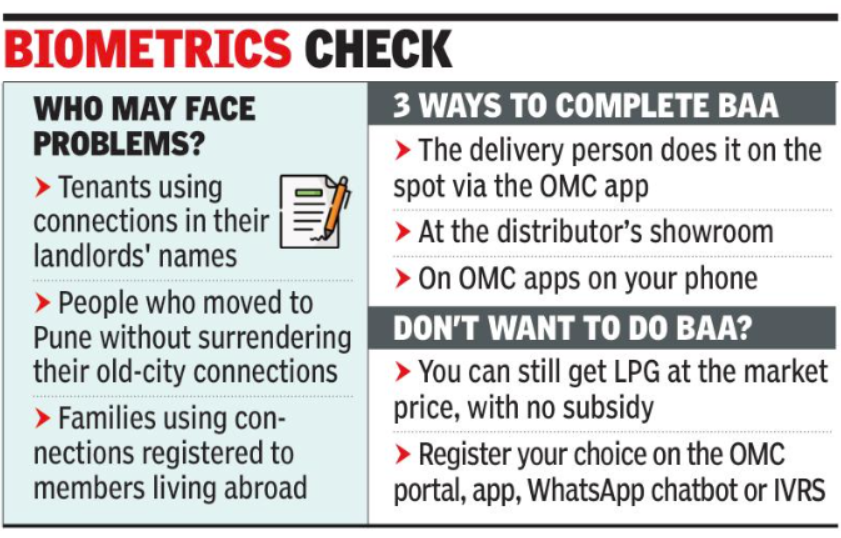
The rolling out of compulsory biometric authentication for domestic fuel subsidies represents a profound administrative tightening of India's social welfare architecture. Petroleum distributors must now verify every consumer through unique identification databases before releasing subsidized refills, effectively ending manual override exceptions. Authorities argue that this measure ensures public funds reach genuine beneficiaries without intermediary skimming. Implementation challenges remain acute across rural and semi-urban districts where digital connectivity fluctuates and elderly residents struggle with biometric authentication failures. Local gas agencies face immense administrative pressure as customers queue up to resolve mismatched database records and seeding errors. Civil society organizations note that marginalized populations without seamless document linkages face severe hurdles in accessing essential household energy. Over the medium term, this policy will generate massive fiscal savings for the exchequer by pruning ghost beneficiaries from state registers. However, it also concentrates immense administrative power within centralized identification databases, raising the stakes for system security and grievance redressal efficiency.
Comments 0