Medical Community Sounds Alarm Over Accelerating Early-Onset Alzheimer Disease Across Urban Centers
Neurologists across eastern India have reported a worrying surge in early-onset Alzheimer cases among urban populations. Experts emphasize the urgent need for precise diagnostic tools and non-invasive brain modulation therapies to combat the escalating neurodegenerative crisis.
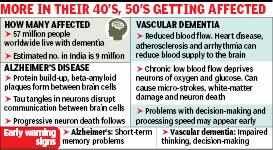
The medical establishment in West Bengal and surrounding metropolitan centers has raised an urgent public health alarm regarding the shifting demographics of neurodegenerative disorders. Neurologists note an increasing frequency of Alzheimer disease diagnosis among individuals in their forties and fifties, a demographic previously considered largely immune to such severe cognitive decline. This epidemiological shift places immense psychological and financial burdens on young families caught unawares by debilitating cognitive loss during their prime earning years. At the clinical level, the medical fraternity is grappling with the limitations of conventional diagnostic frameworks that often identify pathology only after substantial neural damage has occurred. Medical specialists convening to discuss advanced care protocols are increasingly turning their attention toward precision diagnostics and non-invasive brain stimulation technologies. However, the friction lies in the extreme scarcity of specialized memory clinics and the prohibitive cost of advanced neurological interventions within the public health infrastructure. The downstream casualties of this trend are the patients and their primary caregivers, who face a prolonged emotional and economic crisis with minimal institutional support. The winners in this evolving paradigm are specialized diagnostic technology providers, yet the broader public health system remains dangerously unequipped for an incoming wave of early-onset dementia. Without substantial state investment in preventive geriatric and neurological care, urban families will bear the brunt of this silent epidemic.
Comments 0