Midnight Liquor Sales Surge Following Dry Ashtami Observance in Kolkata
Police recorded a sharp increase in illicit alcohol purchases after the city observed a traditional dry day, highlighting tensions between cultural customs and regulatory enforcement. The surge has prompted a crackdown on unlicensed vendors.
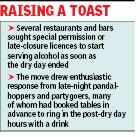
On the night of Ashtami, a Hindu festival that traditionally imposes a prohibition on the sale of alcoholic beverages, law‑enforcement officers in Kolkata noted a conspicuous rise in clandestine transactions at unregistered outlets. Data compiled by the city’s excise department revealed that sales between midnight and 3 a.m. were nearly double the average for comparable evenings, suggesting that consumers sought to circumvent the imposed restriction. The spike was most pronounced in neighborhoods surrounding major transit hubs, where informal networks of vendors operated with minimal oversight.
The phenomenon underscores a persistent friction between cultural observances that mandate temporary bans and the commercial interests of the liquor industry. Local authorities responded by deploying additional patrols, conducting surprise raids, and seizing unlicensed stock estimated at several lakh rupees. Critics argue that the punitive approach may drive the market further underground, while proponents contend that strict enforcement is necessary to uphold public order and prevent the circulation of substandard alcohol.
In the aftermath, the excise department announced plans to increase surveillance during future religious observances and to launch an awareness campaign about the legal ramifications of illicit sales. The episode also sparked a broader debate among civic leaders about the need to balance respect for tradition with pragmatic regulation, a conversation that may influence policy adjustments concerning temporary bans on alcohol in other Indian cities.
Comments 0