Missing Data May Have Masked a 49% Surge in Diwali Air Pollution
Researchers warn that the absence of PM2.5 readings from several Delhi stations could mean actual pollution levels were nearly half again as high during Diwali. The revelation threatens to reshape the city's environmental reporting framework.
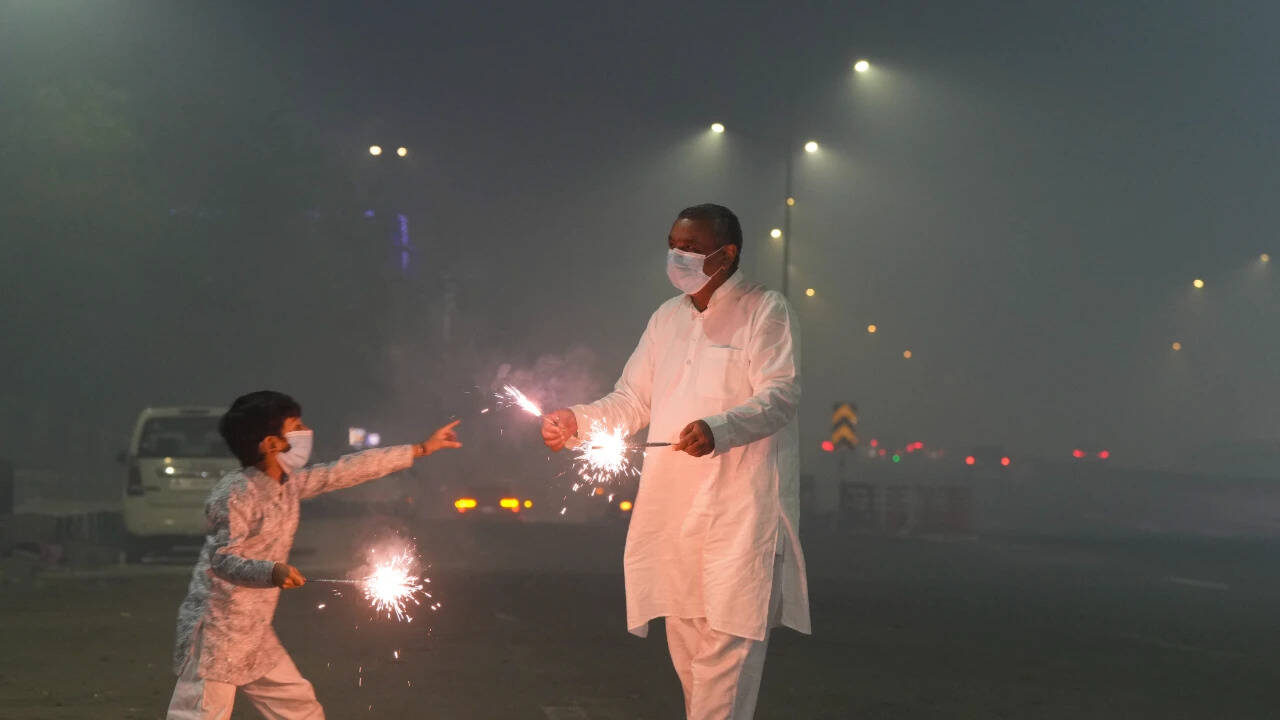
On the night of Diwali, a festive blaze illuminated the capital while particulate matter surged, yet a gap in monitoring left a swath of data unrecorded. The Centre for Research on Energy and Clean Air reconstructed the missing figures, estimating that the true concentration of fine particles could have been up to 49 percent higher than official reports indicated. This discrepancy stems from a combination of equipment failures and delayed maintenance at key observation points, a problem that has persisted despite prior warnings.
The finding has ignited a clash between the Delhi Pollution Control Committee and the state government, each blaming the other for the oversight. Environmental activists have called for an immediate audit of the monitoring network, arguing that unreliable data hampers public health advisories and undermines accountability. Meanwhile, industry groups caution that stricter reporting could trigger costly compliance measures, potentially stalling economic initiatives tied to the festival season.
If the authorities act on the study, the city may invest in a denser array of low‑cost sensors and adopt real‑time data publishing protocols. Such reforms could improve the accuracy of future air‑quality alerts, prompting residents to adopt protective measures more promptly. Over the next twelve months, the episode is expected to catalyse a national dialogue on standardising pollution monitoring, with Delhi setting a precedent for other megacities.
Comments 0